





🎓 Homework Deadline Looming?
Struggling with assignments, projects, or lab reports on this topic? Connect with our expert academic tutors to get personalized study support tonight.
Get Expert Help Now →Introduction to the 8ps of Marketing
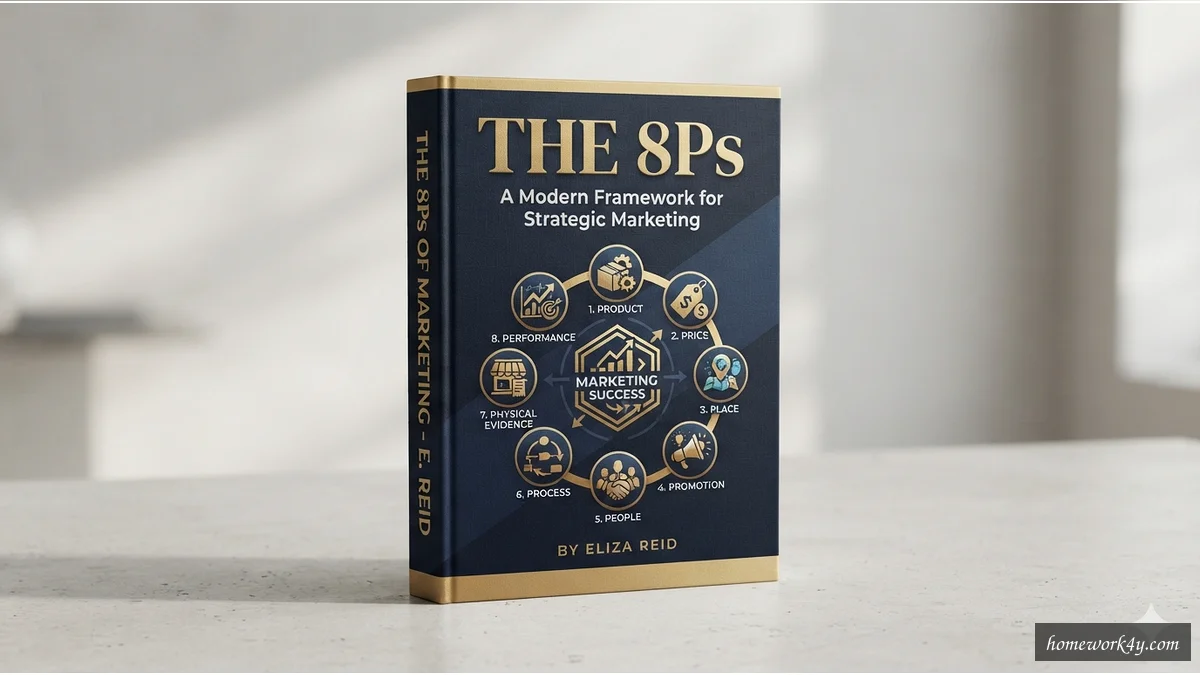
The 8ps of marketing represent a significant expansion of the traditional marketing mix, which was initially limited to the four Ps: product, price, place, and promotion. This expansion acknowledges the complexity of modern marketing and the need for a more comprehensive approach that incorporates human capital, operational workflows, and the tangibilization of intangible assets. The 8ps framework is designed to provide a more nuanced understanding of the interconnected elements that drive customer value and corporate success.The Eight Elements of the Integrated Marketing Mix
The 8ps of marketing can be broken down into eight distinct elements, each of which plays a critical role in the creation and delivery of customer value. These elements are:- Product: The goods or services offered by a company, which must be designed and developed to meet the needs and expectations of target customers.
- Price: The amount that customers pay for a product or service, which must be set at a level that balances revenue goals with customer affordability and perceived value.
- Place: The channels and logistics used to deliver products or services to customers, which must be designed to ensure convenience, accessibility, and reliability.
- Promotion: The communications and marketing activities used to create awareness, build demand, and drive sales, which must be tailored to the needs and preferences of target customers.
- People: The human capital that drives a company's operations, including employees, partners, and suppliers, who must be managed and developed to deliver high-quality products and services.
- Process: The operational workflows and systems used to design, produce, and deliver products or services, which must be optimized to ensure efficiency, quality, and customer satisfaction.
- Physical Evidence: The tangible and intangible elements that create an impression of a company's products or services, including branding, packaging, and customer experience, which must be designed to create a positive and lasting impression.
- Productivity/Quality: The metrics used to measure the efficiency and effectiveness of a company's operations, including productivity, quality, and customer satisfaction, which must be continuously monitored and improved to drive business success.
Deconstructing the Core Managerial Axes
The 8ps of marketing framework provides a comprehensive structure for analyzing and managing the complex interactions between a company's products, services, and customers. By deconstructing the core managerial axes of the 8ps framework, companies can gain a deeper understanding of the key drivers of customer value and business success. These axes include:- Human capital management: The processes and systems used to manage and develop employees, partners, and suppliers to deliver high-quality products and services.
- Operational workflow optimization: The design and improvement of operational workflows and systems to ensure efficiency, quality, and customer satisfaction.
- Tangibilization of intangible assets: The creation and management of tangible and intangible elements that create an impression of a company's products or services, including branding, packaging, and customer experience.
- Structural trade-offs: The balancing of competing priorities and trade-offs between processing efficiency, customer satisfaction, and revenue goals to drive business success.
Philosophical Underpinnings of the 8ps Framework
The 8ps of marketing framework is grounded in a philosophical shift away from traditional asset-centric manufacturing models toward relational, experiential paradigms. This shift recognizes that economic value is continuously co-created with stakeholders, including customers, employees, partners, and suppliers. The 8ps framework provides a comprehensive structure for managing and optimizing the complex interactions between a company's products, services, and stakeholders to drive customer value and business success.| Element | Description | Key Drivers |
|---|---|---|
| Product | The goods or services offered by a company | Quality, features, design |
| Price | The amount that customers pay for a product or service | Revenue goals, customer affordability, perceived value |
| Place | The channels and logistics used to deliver products or services | Convenience, accessibility, reliability |
| Promotion | The communications and marketing activities used to create awareness and drive sales | Target customer needs, preferences, and behaviors |
| People | The human capital that drives a company's operations | Employee development, partner and supplier management |
| Process | The operational workflows and systems used to design, produce, and deliver products or services | Efficiency, quality, customer satisfaction |
| Physical Evidence | The tangible and intangible elements that create an impression of a company's products or services | Branding, packaging, customer experience |
| Productivity/Quality | The metrics used to measure the efficiency and effectiveness of a company's operations | Productivity, quality, customer satisfaction |