



🎓 Homework Deadline Looming?
Struggling with assignments, projects, or lab reports on this topic? Connect with our expert academic tutors to get personalized study support tonight.
Get Expert Help Now →Introduction to Integrative Literature Reviews
The concept of an integrative literature review has gained significant attention in recent years, particularly in the field of human resource development and organizational leadership. According to Torraco (2005), an integrative literature review is not just a passive summary of existing research, but rather an active and distinctive form of primary research that critiques, synthesizes, and reconceptualizes representative literature to generate novel theoretical frameworks, taxonomies, and research agendas.Key Characteristics of an Integrative Literature Review
Torraco (2005) identifies several key characteristics of an integrative literature review, including:- A comprehensive and systematic search of existing literature
- A critical and analytical approach to evaluating and synthesizing existing research
- The use of visual schema to map theoretical models and conceptual frameworks
- A focus on generating new insights and frameworks, rather than simply summarizing existing research

Step-by-Step Guidelines for Writing an Integrative Literature Review
Torraco (2005) provides a step-by-step guide for writing an integrative literature review, including:- Defining the research question and objectives
- Conducting a comprehensive and systematic search of existing literature
- Evaluating and synthesizing existing research using a critical and analytical approach
- Using visual schema to map theoretical models and conceptual frameworks
- Generating new insights and frameworks through the integration of existing research
Example of an Integrative Literature Review
Torraco (2005) provides an example of an integrative literature review in his article, Writing Integrative Literature Reviews: Guidelines and Examples. This example demonstrates how to apply the guidelines and principles outlined in the article to a real-world research question and topic.Philosophical Underpinnings of Integrative Literature Reviews
Torraco (2005) establishes that advancing scientific knowledge requires a constructive, developmental critique of existing literature. This approach recognizes that scientific knowledge is not static, but rather dynamic and evolving. By critiquing and synthesizing existing research, integrative literature reviews can generate new insights and frameworks that advance our understanding of a particular topic or research question.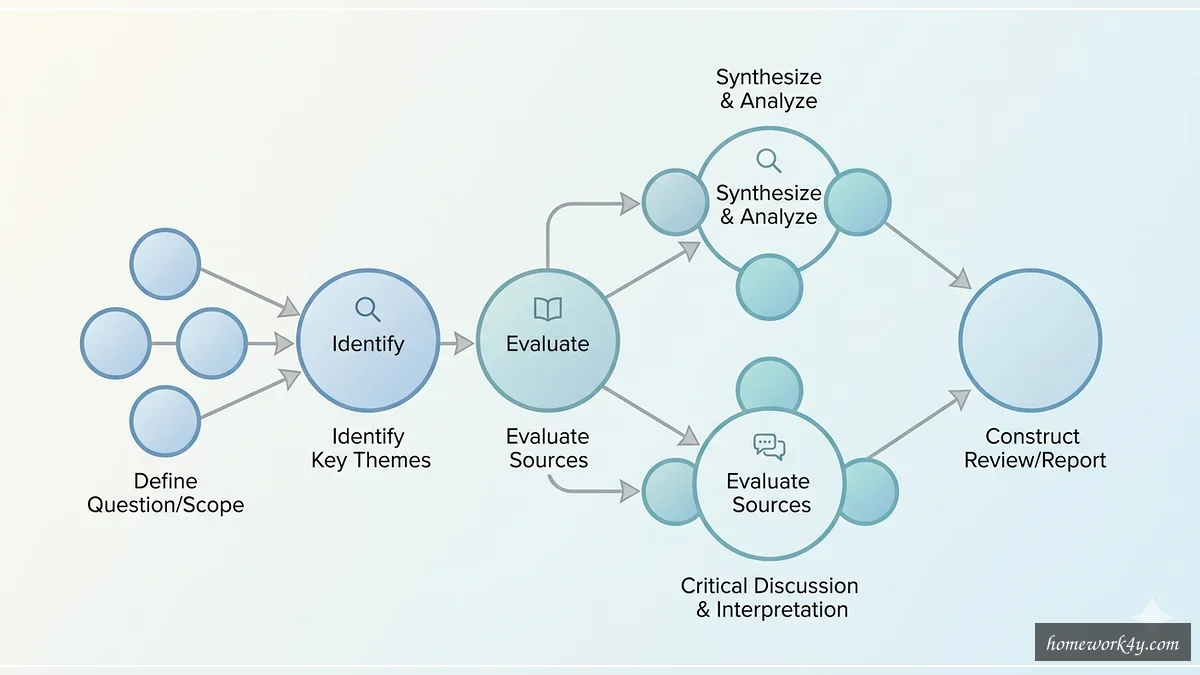
Conclusion
In conclusion, writing an integrative literature review requires a comprehensive and systematic approach to synthesizing and critiquing existing research. By following the guidelines and principles outlined by Torraco (2005), researchers can generate new insights and frameworks that advance our understanding of a particular topic or research question. The example provided by Torraco (2005) demonstrates how to apply these guidelines and principles to a real-world research question and topic.| Characteristics of an Integrative Literature Review | Description |
|---|---|
| Comprehensive and systematic search of existing literature | A thorough and systematic search of existing research to identify relevant studies and literature |
| Critical and analytical approach to evaluating and synthesizing existing research | A critical and analytical approach to evaluating and synthesizing existing research to generate new insights and frameworks |
| Use of visual schema to map theoretical models and conceptual frameworks | The use of visual schema, such as diagrams and flowcharts, to map theoretical models and conceptual frameworks |
| Focus on generating new insights and frameworks | A focus on generating new insights and frameworks, rather than simply summarizing existing research |