



🎓 Homework Deadline Looming?
Struggling with assignments, projects, or lab reports on this topic? Connect with our expert academic tutors to get personalized study support tonight.
Get Expert Help Now →What is Habitual New Media and How Does it Shape Our Digital Lives?
Updating to remain the same is a fundamental concept in habitual new media, where users must constantly update their digital profiles and software to maintain their existing social status, highlighting the paradox of habit and crisis in the digital age.The concept of habitual new media, as explored in Wendy Hui Kyong Chun's seminal work, "Updating to Remain the Same: Habitual New Media," reveals the intricate dynamics of our digital culture. Chun, a preeminent media theorist and structural cultural critic, delves into the intersection of technology and identity, exposing the ways in which internet technologies have transitioned from a utopian space of democratic freedom to a pervasive infrastructure of mass surveillance and privatized social engineering. This treatise delivers a dense, highly specialized critique of contemporary digital culture, investigating how new media exert their greatest ideological power when they become completely integrated into our repetitive everyday rituals.
The Socio-Technological Framework of Habitual New Media
Chun's methodological approach relies on a socio-technological and post-structuralist framework, deconstructing the concept of "habit" to demonstrate its significance in understanding the power dynamics of new media. By examining the ways in which habits are formed and reinforced through digital technologies, Chun reveals the structural paradox where users must constantly update their digital profiles and software just to maintain their existing social status. This formulation of the definitive equation "habit + crisis = update" challenges the illusion of digital ephemerality, proving that our bodies and daily routines have become living archives of data extraction under neoliberal capitalism.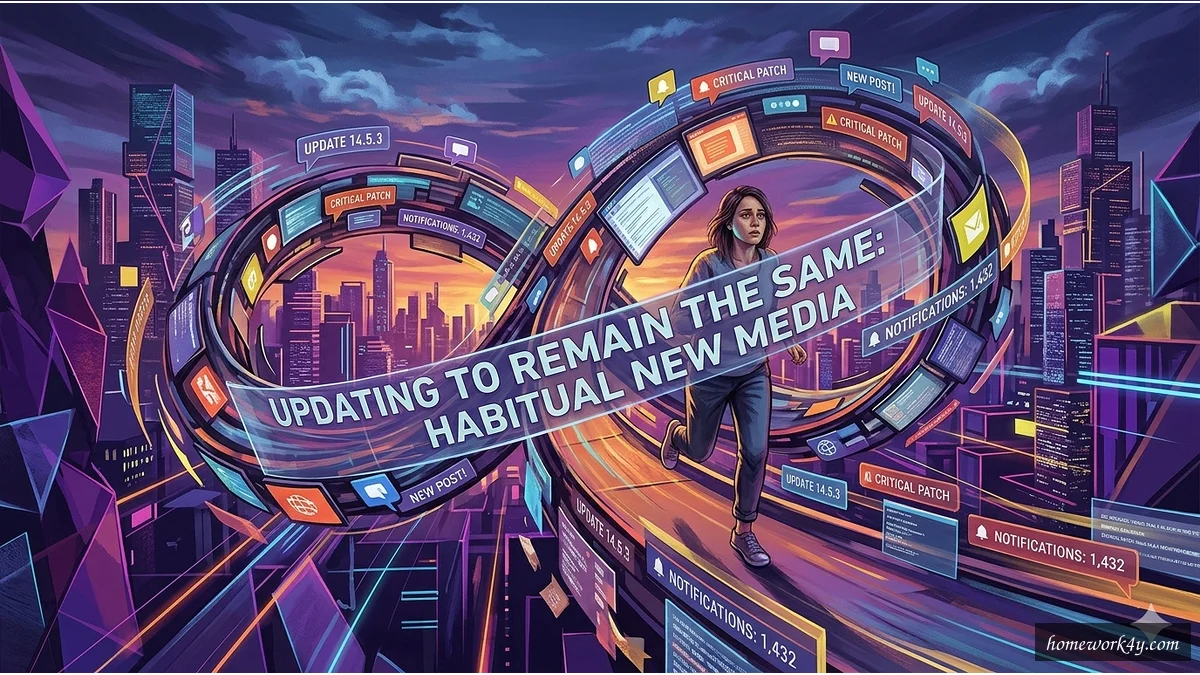
The Paradox of Habit and Crisis in Digital Culture
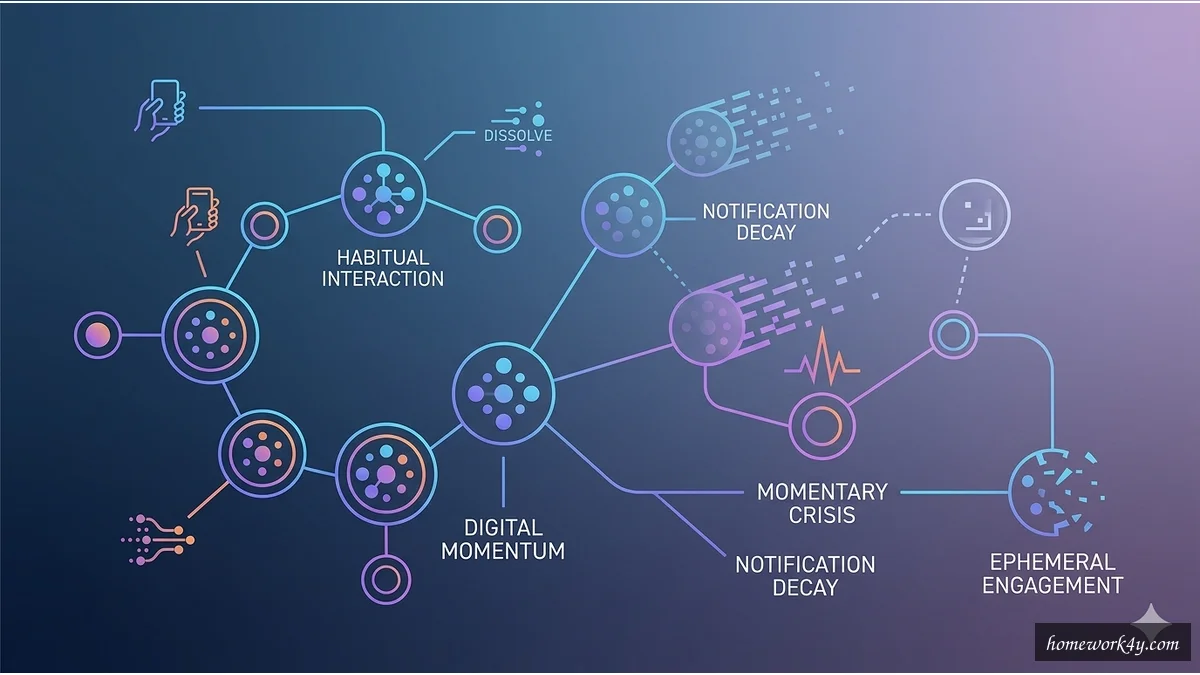
The concept of habit is central to understanding the dynamics of digital culture, as it highlights the ways in which new media exert their power over users. By becoming integrated into our everyday rituals, such as streaming, sharing, and updating, new media create a sense of habituation that reinforces their ideological power. However, this habituation also creates a sense of crisis, as users must constantly update their digital profiles and software to maintain their existing social status. This paradox of habit and crisis is at the heart of Chun's critique of digital culture, as it reveals the ways in which new media shape our digital lives and reinforce the power dynamics of neoliberal capitalism.The Illusion of Digital Ephemerality and the Blurring of Boundaries
Chun's work also challenges the illusion of digital ephemerality, which suggests that digital data is temporary and ephemeral. Instead, Chun argues that our bodies and daily routines have become living archives of data extraction under neoliberal capitalism. This blurs the boundaries between public sovereignty and private visibility, as users become increasingly surveilled and controlled by digital technologies. The implications of this are far-reaching, as they highlight the need for a critical evaluation of the power dynamics of digital culture and the ways in which new media shape our digital lives.| Concept | Definition | Implications |
|---|---|---|
| Habitual New Media | The integration of new media into our everyday rituals, creating a sense of habituation that reinforces their ideological power. | Reinforces the power dynamics of neoliberal capitalism, creating a sense of crisis and habituation. |
| Digital Ephemerality | The illusion that digital data is temporary and ephemeral. | Challenged by Chun's work, which argues that our bodies and daily routines have become living archives of data extraction. |
| Neoliberal Capitalism | A economic system that emphasizes the free market and the privatization of public goods. | Reinforces the power dynamics of digital culture, creating a sense of surveillance and control. |
Critical Evaluation and Pedagogical Implications
Chun's work serves as an essential pedagogical blueprint, training future cultural critics and media specialists to evaluate how "imagined networks" replace genuine mass audiences with highly predictable, algorithmically controlled individuals. By examining the power dynamics of digital culture and the ways in which new media shape our digital lives, students can develop a critical understanding of the implications of habitual new media. This critical evaluation is essential for developing a nuanced understanding of the complex dynamics of digital culture and the ways in which new media shape our digital lives.- Develop a critical understanding of the power dynamics of digital culture.
- Evaluate the implications of habitual new media on our digital lives.
- Examine the ways in which new media shape our digital lives and reinforce the power dynamics of neoliberal capitalism.