



🎓 Homework Deadline Looming?
Struggling with assignments, projects, or lab reports on this topic? Connect with our expert academic tutors to get personalized study support tonight.
Get Expert Help Now →Introduction to the SAGE Handbook of Play and Learning in Early Childhood
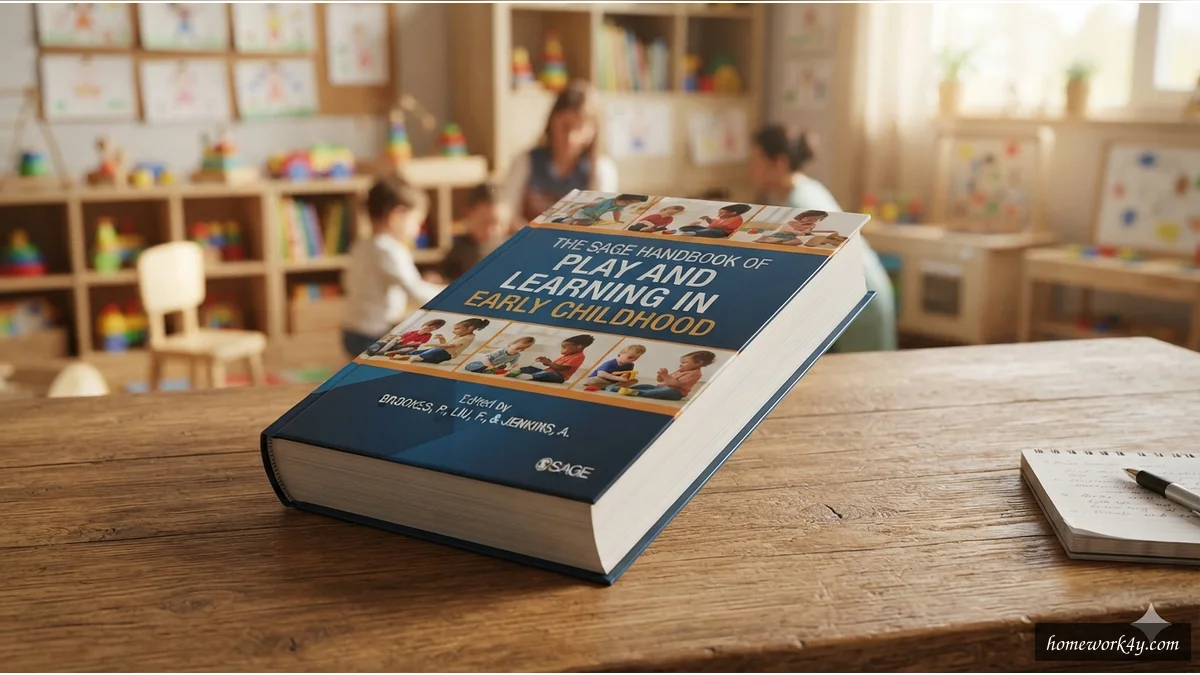
The SAGE Handbook of Play and Learning in Early Childhood, authored by Elizabeth Brooker, Mindy Blaise, and Susan Edwards, is a comprehensive guide to understanding the intersection of play and cognitive learning during early childhood development. This handbook synthesizes global research and theoretical perspectives, providing a cross-disciplinary analysis of the critical role play serves in driving emotional regulation, language acquisition, and neural plasticity.Methodological Approach and Socio-Cultural Framework
The methodological approach utilized in the handbook employs a socio-cultural framework, evaluating how structured and unstructured play operate as essential cognitive tools. This framework allows for the examination of historical and contemporary theories of play, practical pedagogical frameworks for early educators, and the socioeconomic and diverse abilities that influence childhood development.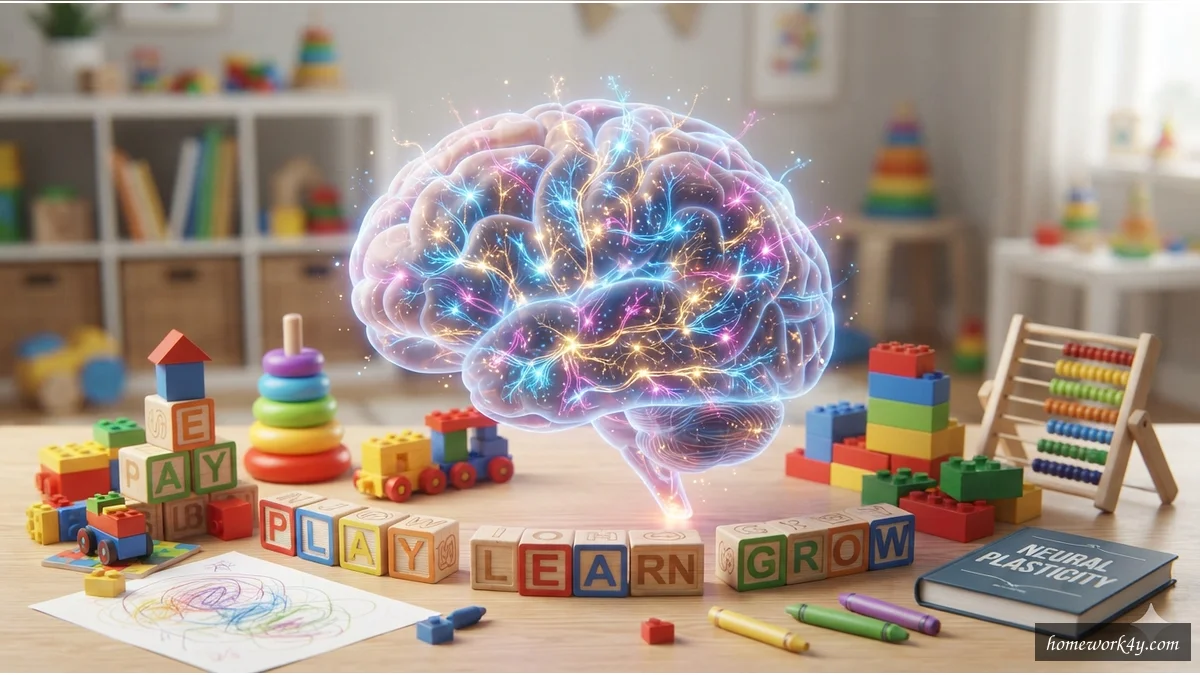
Deconstructing Core Developmental Axes
The handbook deconstructs the core developmental axes of play and learning, validating play as a rigorous, natural method of human learning and cultural socialization. The authors dismantle the artificial divide between play and academic instruction, providing a philosophical foundation for understanding the importance of play in early childhood education.Philosophical Underpinnings and Educational Implications
The handbook's philosophical underpinnings have significant implications for educational policy and practice. By recognizing play as a vital component of early childhood learning, educators and policymakers can work to create inclusive, creative learning environments that prioritize play-based instruction. This approach can help to resist hyper-mechanized testing models and promote a more holistic understanding of childhood development.Key Concepts and Theories
Some key concepts and theories explored in the handbook include:- Play as a cognitive tool
- Emotional regulation and play
- Language acquisition and play
- Neural plasticity and play
- Socio-cultural framework for understanding play
Contributions of Notable Researchers
Notable researchers, such as Elizabeth Wood and Felicity McArdle, have made significant contributions to the field of early childhood education and play-based learning. Their work has helped to shape our understanding of the importance of play in driving cognitive development and has informed the development of practical pedagogical frameworks for early educators.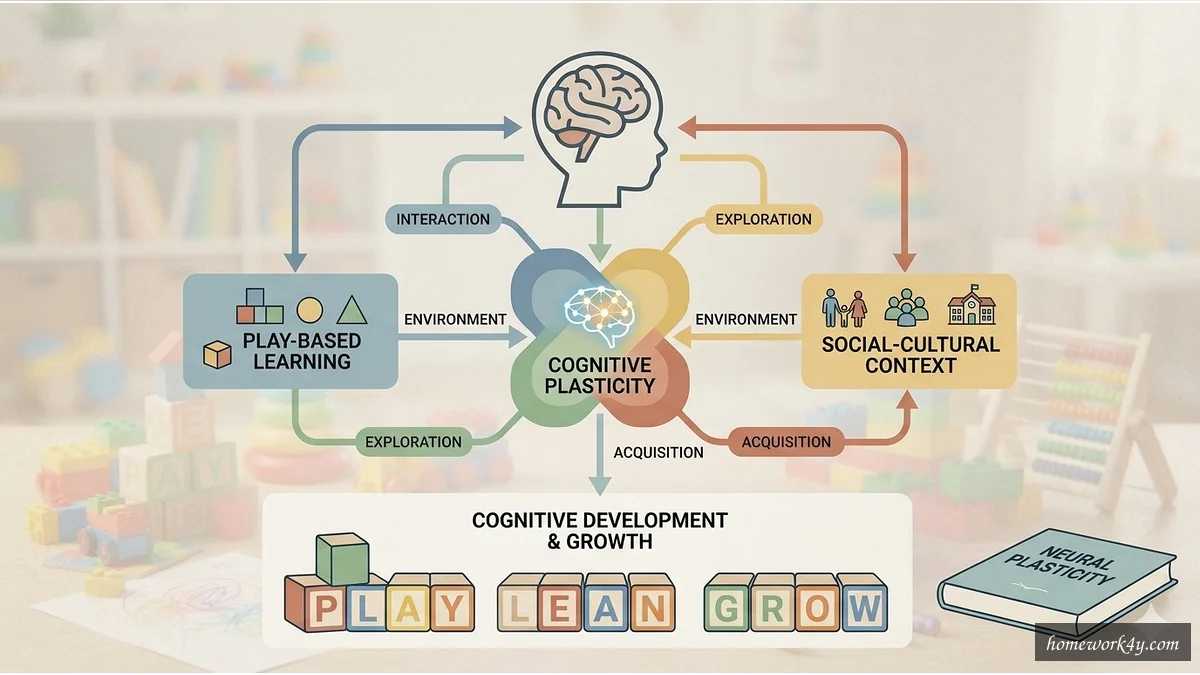
Comparison of Theoretical Perspectives
A comparison of theoretical perspectives on play and learning reveals a range of approaches, from structured and unstructured play to socio-cultural and cognitive-developmental theories. The following table provides an overview of some key theoretical perspectives:| Theoretical Perspective | Description |
|---|---|
| Socio-Cultural Theory | Emphasizes the role of social and cultural factors in shaping play and learning |
| Cognitive-Developmental Theory | Focuses on the cognitive processes underlying play and learning |
| Play-Based Learning | Emphasizes the importance of play in driving cognitive development and learning |