



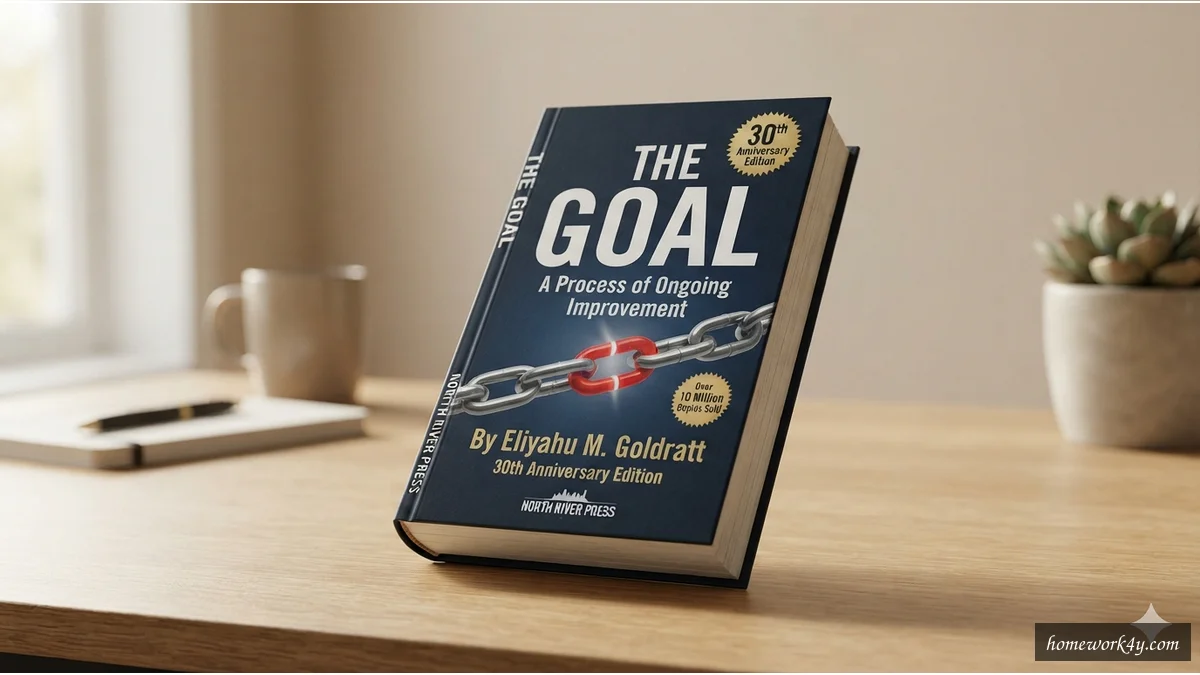
🎓 Homework Deadline Looming?
Struggling with assignments, projects, or lab reports on this topic? Connect with our expert academic tutors to get personalized study support tonight.
Get Expert Help Now →Introduction to the Theory of Constraints
The Theory of Constraints (TOC) is a philosophy of management that views any manufacturing organization as a system, rather than a collection of independent departments. This approach recognizes that the performance of the system as a whole is governed by a few key constraints, and that improving the efficiency of a single department may not necessarily improve the overall performance of the system. The TOC methodology is based on five steps: identify, exploit, subordinate, elevate, and repeat.The Three Operational Metrics
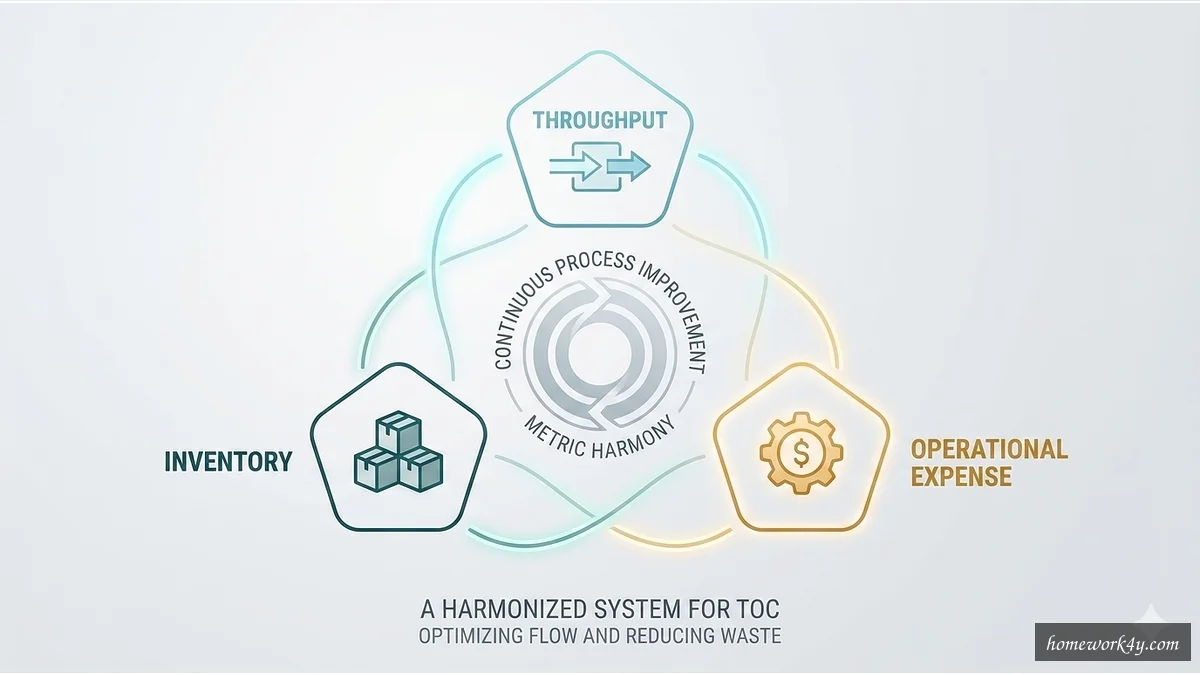
The Goal PDF introduces three critical operational metrics: Throughput, Inventory, and Operational Expense. Throughput refers to the rate at which the system generates money, Inventory refers to the amount of material and goods in the system, and Operational Expense refers to the costs associated with operating the system. These metrics are used to evaluate the performance of the system and identify areas for improvement.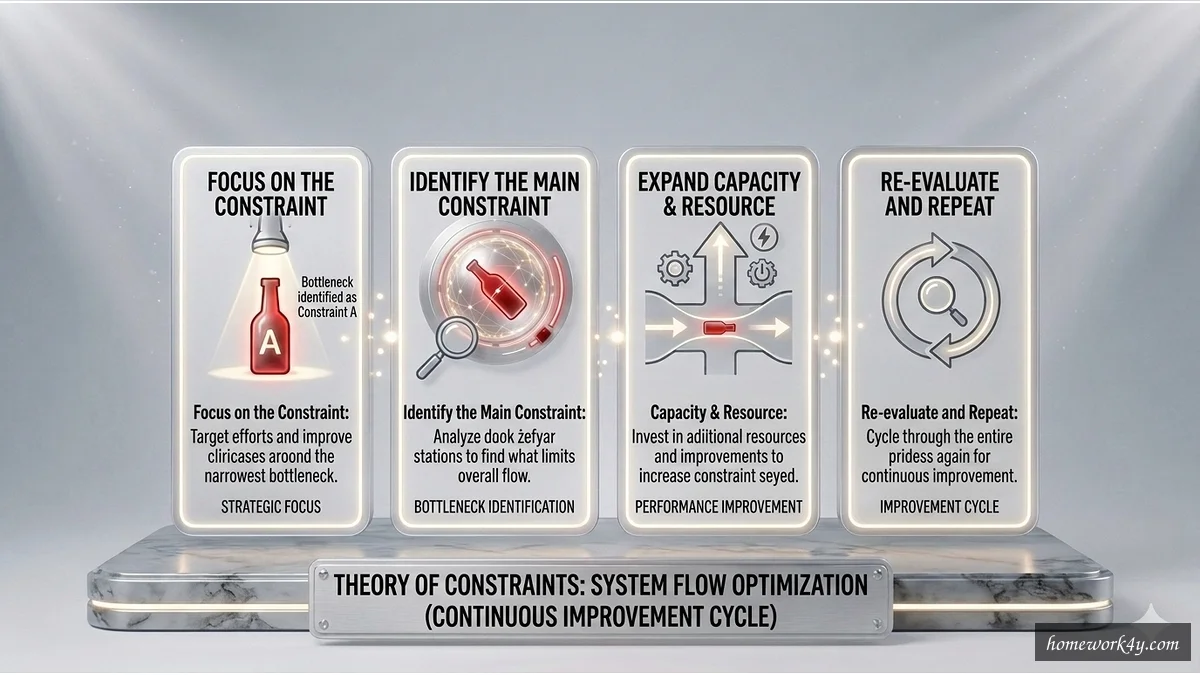
The Character of Jonah and the Pedagogical Framework
The character of Jonah, a physicist turned management consultant, plays a crucial role in the pedagogical framework of the book. Through Jonah's guidance, the protagonist, Alex Rogo, learns to apply the principles of the TOC to his manufacturing plant, achieving significant improvements in productivity and efficiency. The narrative framework of the book provides a unique and engaging way to learn about the TOC methodology and its applications.Philosophical Underpinnings of the Goal
The Goal PDF challenges conventional corporate dogma by redefining the ultimate goal of any industrial enterprise as generating money. This approach recognizes that the primary objective of a business is to make money, and that all other goals, such as improving efficiency or reducing costs, are secondary to this primary objective. The book also emphasizes the importance of continuous process improvement and the need to align with fluid market demands rather than rigid, isolated production quotas.Education and Societal Impact
The Goal PDF serves as an indispensable curricular tool for training future industrial engineers and corporate executives. The book provides a comprehensive framework for understanding the principles of the TOC and its applications in manufacturing and operations management. By treating operational waste as a structural failure in holistic, synchronized flow management, the book provides a new perspective on the importance of waste reduction and process improvement.Key Takeaways and Applications
The Goal PDF provides a number of key takeaways and applications, including:- Understanding the principles of the Theory of Constraints and its applications in manufacturing and operations management
- Identifying and exploiting systemic bottlenecks to improve overall system performance
- Using the three operational metrics of Throughput, Inventory, and Operational Expense to evaluate system performance
- Applying the principles of continuous process improvement to achieve significant improvements in productivity and efficiency
Comparison of the Goal with Other Management Philosophies
The Goal PDF provides a unique perspective on management and operations, distinct from other management philosophies such as Total Quality Management (TQM) and Six Sigma. While these approaches focus on improving quality and reducing defects, the TOC methodology focuses on identifying and exploiting systemic bottlenecks to improve overall system performance.| Concept | Description | Application |
|---|---|---|
| Theory of Constraints | A philosophy of management that views any manufacturing organization as a system | Identify and exploit systemic bottlenecks to improve overall system performance |
| Throughput | The rate at which the system generates money | Evaluate system performance and identify areas for improvement |
| Inventory | The amount of material and goods in the system | Reduce inventory levels to minimize waste and improve efficiency |
| Operational Expense | The costs associated with operating the system | Minimize operational expenses to improve overall system performance |