



🎓 Homework Deadline Looming?
Struggling with assignments, projects, or lab reports on this topic? Connect with our expert academic tutors to get personalized study support tonight.
Get Expert Help Now →Introduction to Staffing Organizations
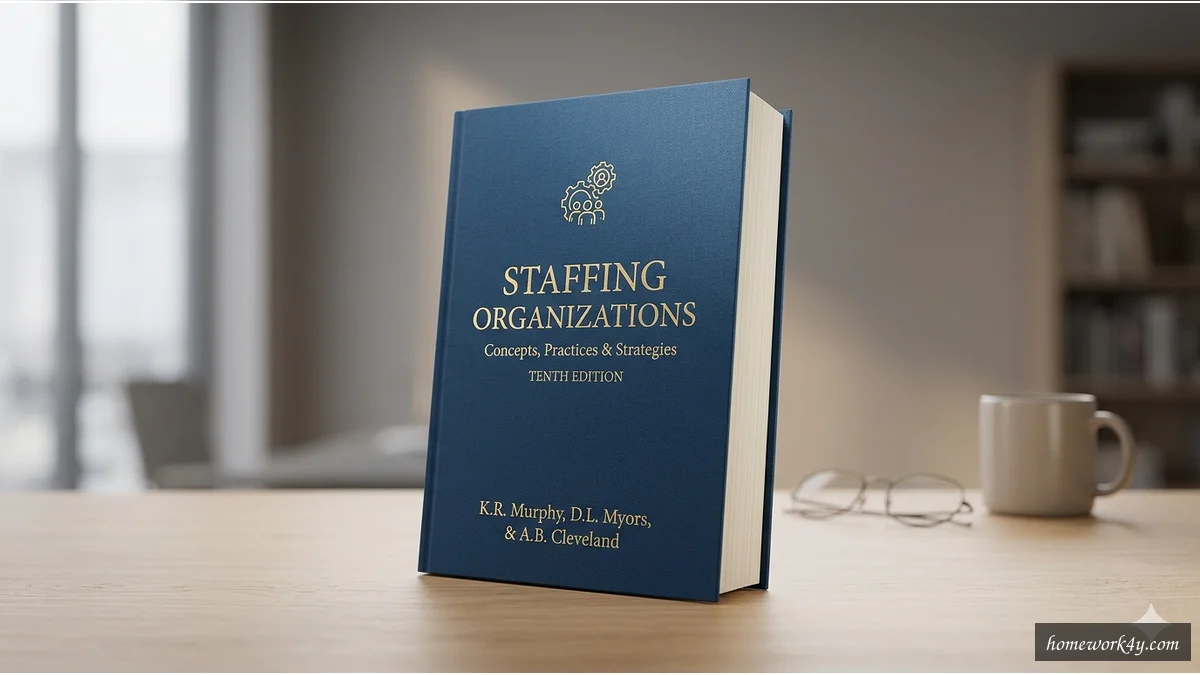
The concept of staffing organizations is a critical aspect of modern enterprise ecosystems, focusing on the strategic management of human capital to achieve organizational goals. The Staffing Organizations Model, as presented in the seminal textbook by Herbert G. Heneman III, Timothy A. Judge, and John Kammeyer-Mueller, provides a definitive framework for understanding the complexities of workforce planning, talent acquisition, and personnel management. This model bridges the gap between empirical quantitative metrics and tactical corporate execution, sequencing the staffing lifecycle across interconnected support and core staffing structures.Core Managerial Axes of Staffing Organizations
The Staffing Organizations Model is built around several core managerial axes, including psychometric measurement validation, person-job and person-organization fit paradigms, algorithmic workforce forecasting, and complex regulatory compliance. These axes are critical in ensuring that organizations acquire and manage human capital effectively, while also complying with affirmative action and anti-discrimination mandates. The model challenges traditional views of recruitment as a purely transactional administrative function, repositioning human capital acquisition as a critical driver of competitive advantage and sustainable corporate strategy.Philosophical Underpinnings of Staffing Organizations
The philosophical underpinnings of staffing organizations are rooted in the idea that human capital is a critical component of organizational success. The model recognizes that recruitment is not just a transactional process, but a strategic function that requires careful planning, execution, and management. By repositioning human capital acquisition as a core driver of competitive advantage, organizations can cultivate data-driven, legally defensible, and ethically sound human resource frameworks that optimize institutional productivity and structural agility.Education and Societal Implications of Staffing Organizations
The concept of staffing organizations has significant implications for education and society. The Staffing Organizations Model serves as an indispensable tool for preparing future corporate executives and organizational leaders to cultivate effective human resource frameworks. By integrating quantitative metrics with tactical corporate execution, organizations can drive competitive advantage, improve productivity, and enhance structural agility. The model also recognizes the importance of regulatory compliance, affirmative action, and anti-discrimination mandates, ensuring that organizations manage human capital in a legally defensible and ethically sound manner.Key Components of the Staffing Organizations Model
| Staffing Organizations Model Components | Description |
|---|---|
| Workforce Planning | Systematic approach to identifying and acquiring human capital to achieve organizational goals |
| Talent Acquisition | Strategic process of attracting, selecting, and hiring top talent to drive competitive advantage |
| Personnel Management | Systematic approach to managing human capital, including performance management, development, and retention |
| Psychometric Measurement Validation | Use of quantitative metrics to validate the effectiveness of staffing processes and outcomes |
| Person-Job and Person-Organization Fit Paradigms | Frameworks for understanding the relationship between individuals and jobs, and individuals and organizations |
| Algorithmic Workforce Forecasting | Use of data analytics and machine learning to predict workforce trends and optimize staffing decisions |
| Regulatory Compliance | Adherence to affirmative action and anti-discrimination mandates to ensure legally defensible and ethically sound human resource practices |
Key Takeaways and Actionable Insights
- Develop a systematic approach to workforce planning and talent acquisition
- Use quantitative metrics to validate the effectiveness of staffing processes and outcomes
- Implement person-job and person-organization fit paradigms to optimize staffing decisions
- Utilize algorithmic workforce forecasting to predict workforce trends and optimize staffing decisions
- Ensure regulatory compliance and adherence to affirmative action and anti-discrimination mandates