



🎓 Homework Deadline Looming?
Struggling with assignments, projects, or lab reports on this topic? Connect with our expert academic tutors to get personalized study support tonight.
Get Expert Help Now →What is the significance of "Set Phasers on Stun" in the context of human error and technology design?
The phrase "Set Phasers on Stun" highlights the importance of designing technologies that account for human limitations and reduce the likelihood of catastrophic accidents, emphasizing a shift from blaming user error to improving system design.Introduction to Human Factors Engineering and System Safety
The book "Set Phasers on Stun: And Other True Tales of Design, Technology, and Human Error" by Steven M. Casey serves as a foundational text in the fields of human factors engineering, industrial design, and systems safety management. It critiques modern engineering paradigms and presents a methodological approach to understanding how complex technological systems fail due to conflicts between physical controls and human cognitive psychology.Case Studies: Understanding Human Error and Technological Failures
The text utilizes twenty real-world case studies, including the Therac-25 radiation accidents and commercial aviation disasters, to illustrate how human-machine interface safety and risk mitigation can be improved. These narratives demonstrate that machines must be designed to adapt to predictable human behavioral traits, rather than expecting humans to act like flawless computers.
Philosophical Underpinnings: Redefining the Technology-Humanity Divide
The book philosophically deconstructs the traditional division between technology and humanity, arguing that machines should be designed to accommodate human limitations. This approach emphasizes the need for compassionate, error-tolerant systems that prioritize technological safety and prevent loss of life.Methodological Approach: Deconstructing Complex Technological Systems
Casey's methodological approach involves a systematic analysis of how complex technological systems fail. This includes examining the physical controls, human cognitive psychology, perception limits, and physical ergonomics under stress. By understanding these factors, designers and engineers can create systems that are more resilient to human error.Implications for Education and Society
The text serves as an indispensable pedagogical blueprint for training future engineers, software developers, and product design specialists. It emphasizes the importance of building systems that prioritize human safety and well-being, ultimately contributing to a safer and more compassionate technological environment.Key Takeaways and Actionable Insights
Some key takeaways from the book include:- Designing technologies that account for human limitations is crucial for reducing catastrophic accidents.
- Complex technological systems fail due to conflicts between physical controls and human cognitive psychology.
- Machines should be designed to adapt to predictable human behavioral traits, rather than expecting humans to act like flawless computers.
- A systematic approach to analyzing human-machine interface safety and risk mitigation is essential for improving system design.
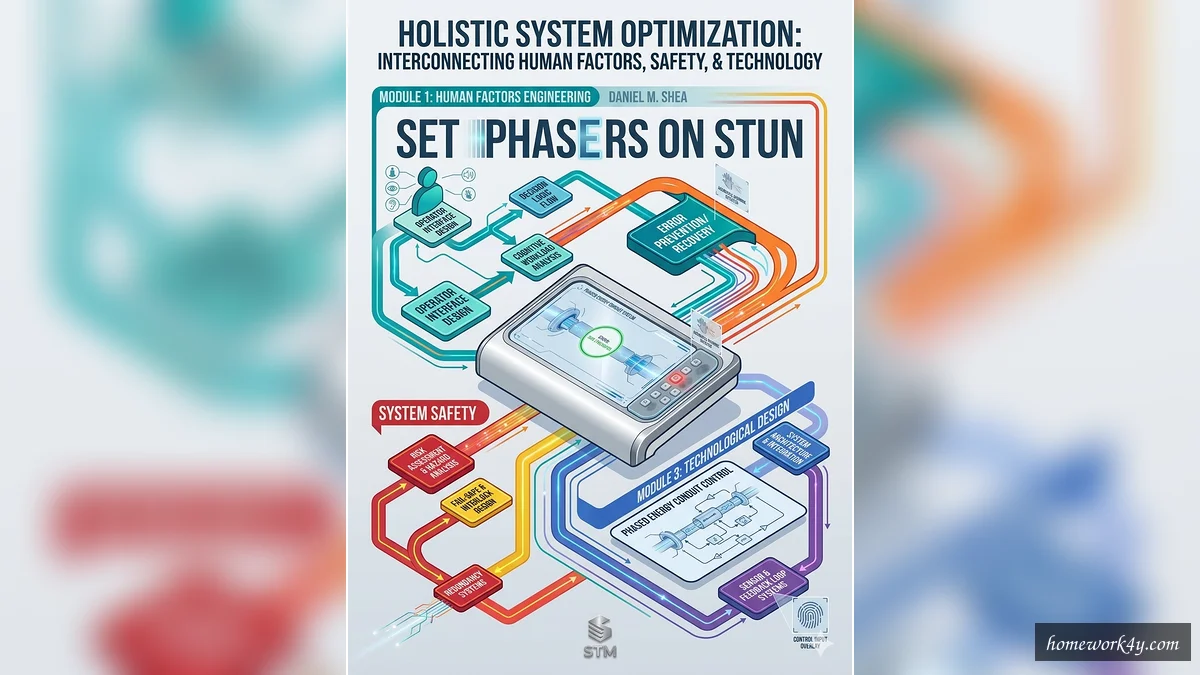
Conceptual Comparison: Human Factors Engineering and System Safety
The following table provides a conceptual comparison of key concepts in human factors engineering and system safety:| Concept | Definition | Relevance to System Safety |
|---|---|---|
| Human-Machine Interface | The point of interaction between humans and machines. | Critical for reducing human error and improving system safety. |
| Cognitive Psychology | The study of mental processes that underlie human behavior. | Essential for understanding how humans interact with complex technological systems. |
| Physical Ergonomics | The study of how to design systems that accommodate human physical limitations. | Vital for reducing human error and improving system safety. |