


🎓 Homework Deadline Looming?
Struggling with assignments, projects, or lab reports on this topic? Connect with our expert academic tutors to get personalized study support tonight.
Get Expert Help Now →Introduction to Organizational Behavior in Health Care
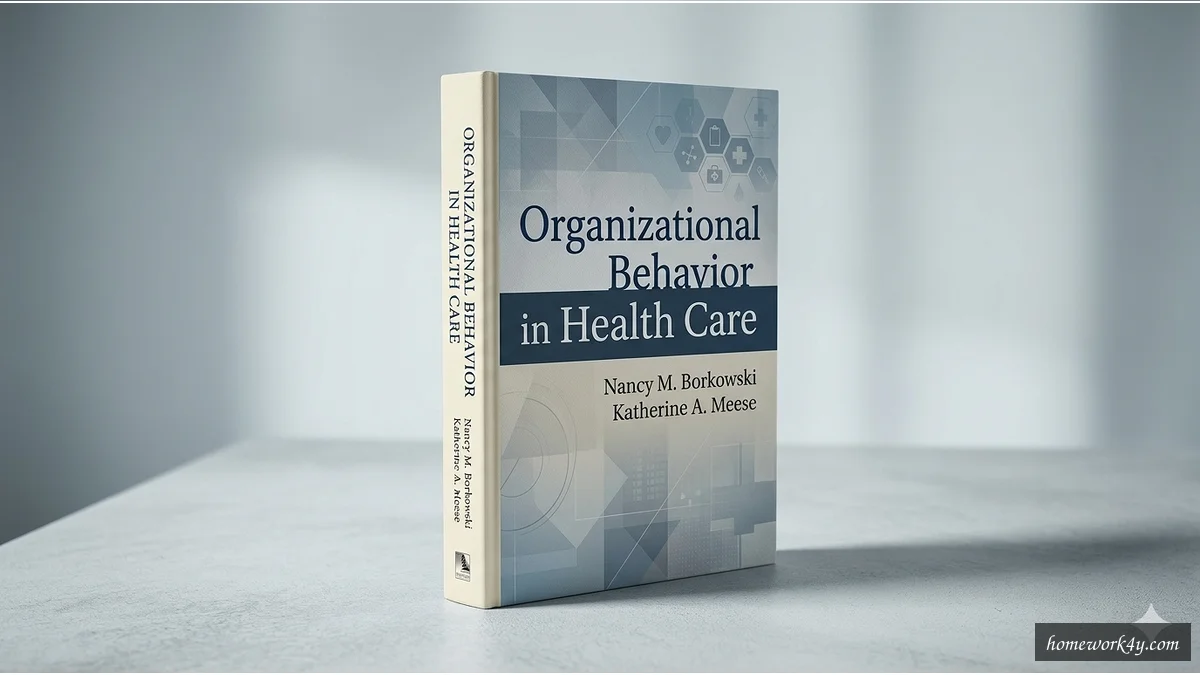
The field of organizational behavior in health care is complex and multifaceted, requiring a deep understanding of the interplay between individual behaviors, group dynamics, and institutional structures. The Fourth Edition of "Organizational Behavior in Health Care" by Nancy M. Borkowski and Katherine A. Meese provides a comprehensive analysis of this topic, utilizing an empirical, evidence-based management framework to investigate the factors that determine workforce productivity, clinical safety, and patient outcomes.Foundational Theories and Concepts
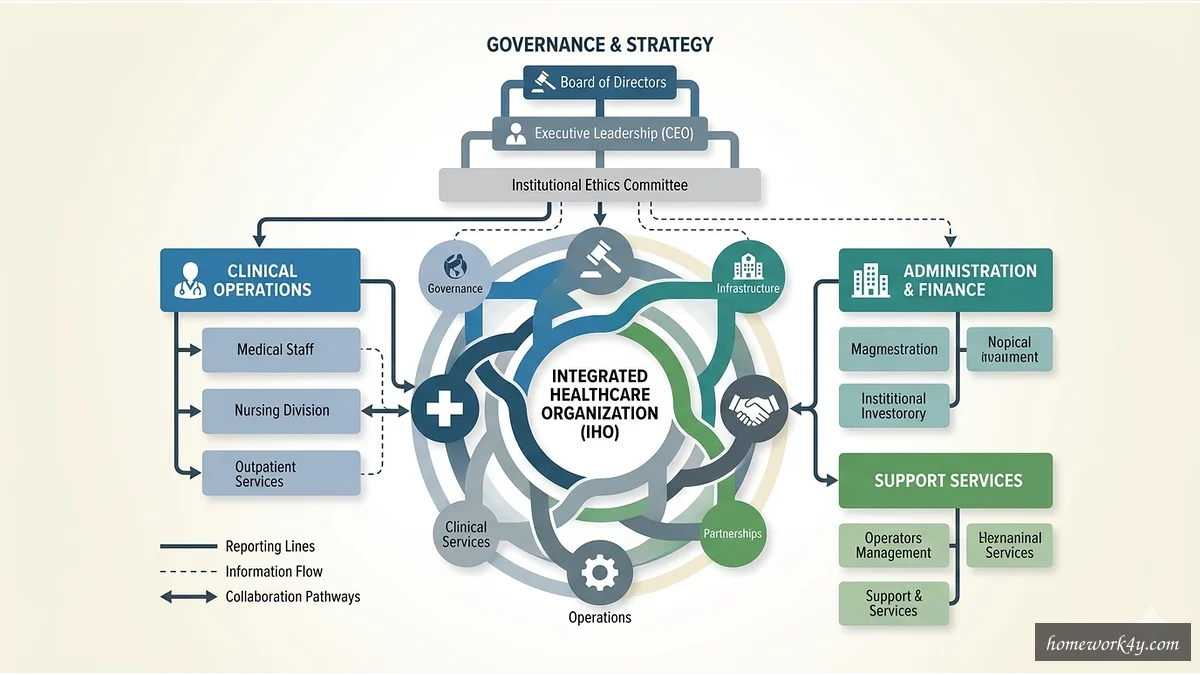
The text deconstructs core administrative axes, evaluating leadership models, employee motivation strategies, interprofessional conflict resolution, and change management architectures designed to overcome structural resistance to institutional transitions. Key concepts include micro-level individual behaviors, meso-level group dynamics, and macro-level institutional structures, which are essential for understanding the complexities of healthcare delivery environments.- Micro-level individual behaviors: examining the role of individual characteristics, such as personality and motivation, in shaping behavior
- Meso-level group dynamics: analyzing the interactions and relationships within groups, including teamwork and communication
- Macro-level institutional structures: considering the broader organizational context, including culture, policies, and procedures

Leadership Models and Employee Motivation
Effective leadership is critical in healthcare organizations, as it can significantly impact employee motivation, job satisfaction, and overall performance. The text discusses various leadership models, including transformational leadership, servant leadership, and transactional leadership, and examines their effects on employee motivation and engagement.Interprofessional Conflict Resolution and Change Management
Conflict resolution and change management are essential skills for healthcare professionals, as they can help to reduce errors, improve patient outcomes, and enhance organizational efficiency. The text provides guidance on interprofessional conflict resolution, including strategies for effective communication, negotiation, and problem-solving, and discusses change management architectures designed to overcome structural resistance to institutional transitions.Philosophical Underpinnings and Societal Implications
The authors of the text shift the healthcare paradigm from an isolated bio-medical focus to an integrated socio-technical perspective, demonstrating that superior public health delivery requires cultivating continuous cultural competency, managing demographic shifts, and fostering collaborative teaming behaviors. This philosophical approach has significant implications for healthcare education and practice, emphasizing the need for healthcare professionals to develop analytical skills, cultural competency, and collaborative teamwork skills.| Concept | Definition | Relevance to Health Care |
|---|---|---|
| Organizational Behavior | The study of human behavior within organizations | Essential for understanding individual and group dynamics in healthcare settings |
| Leadership Models | Frameworks for understanding and improving leadership practices | Critical for effective leadership and employee motivation in healthcare organizations |
| Interprofessional Conflict Resolution | Strategies for resolving conflicts between healthcare professionals | Essential for reducing errors, improving patient outcomes, and enhancing organizational efficiency |