




🎓 Homework Deadline Looming?
Struggling with assignments, projects, or lab reports on this topic? Connect with our expert academic tutors to get personalized study support tonight.
Get Expert Help Now →Introduction to Give Me Liberty Chapter 22
Give Me Liberty Chapter 22, titled "Fighting for the Four Freedoms: World War II, 1941–1945," provides a comprehensive analysis of the transformative period in American history during the Second World War. This chapter, written by Eric Foner, a renowned historian, delves into the complexities of how the war effort redefined the concept of American freedom, both domestically and internationally. The chapter's focus on the Four Freedoms paradigm offers a critical examination of the ideological mobilization of the American state and its implications on various segments of society.The Four Freedoms Paradigm
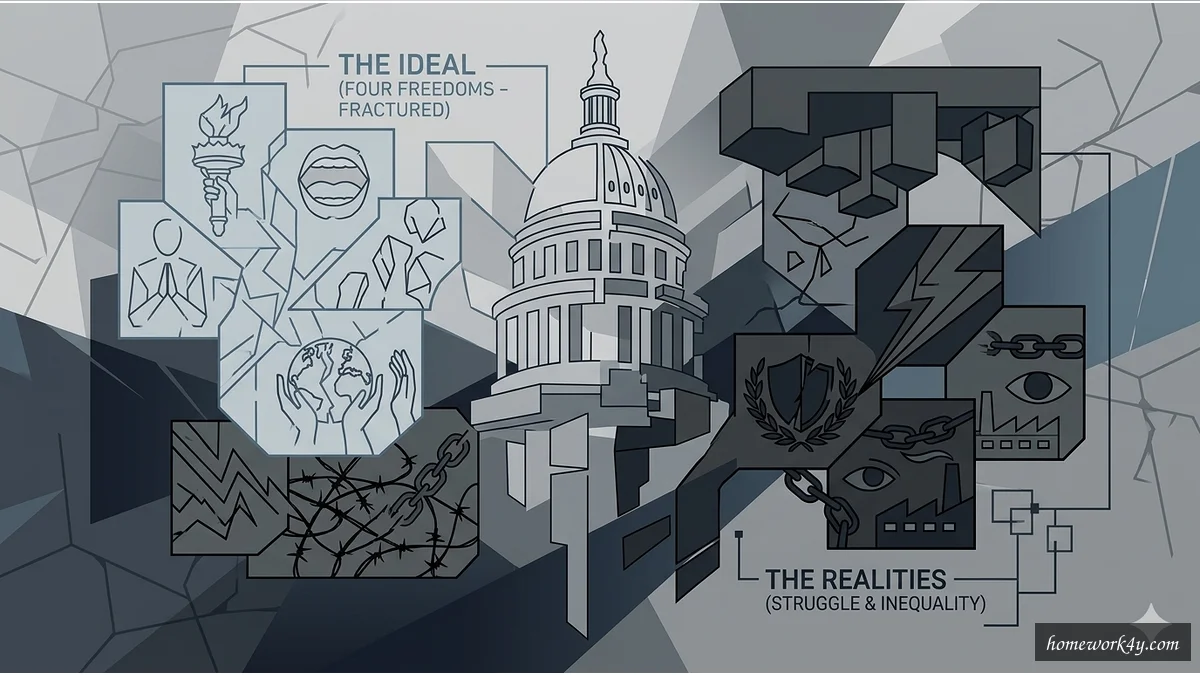
The Four Freedoms, as outlined by President Roosevelt, were not merely abstract ideals but served as a beacon for the kind of world Americans hoped to build after the war. Freedom of speech and worship were fundamental rights that Americans believed were essential for a democratic society. Freedom from want and fear represented the aspirations for economic security and peace that the post-war world should strive for. However, the chapter also highlights the deep structural contradictions between these ideals and the realities of oppression faced by many Americans, particularly racial minorities and women.Economic Mobilization and Labor Dynamics
The economic mobilization of the home front during World War II led to significant shifts in labor dynamics. Women entered the workforce in unprecedented numbers, taking on roles previously reserved for men. Racial minorities also experienced changes in their employment opportunities, though these were often marked by discrimination and segregation. The chapter examines how these shifts influenced the struggle for freedom and equality, setting the stage for the civil rights movements of the following decades.State-Sanctioned Oppression and Resistance
The internment of Japanese-Americans, authorized by executive order, stands as a stark example of state-sanctioned oppression during this period. Meanwhile, African American activists launched the "Double-V" campaign, fighting for victory against fascism abroad and against racism at home. This campaign and other forms of resistance underscore the complex and often contradictory nature of the American experience during World War II, where the pursuit of freedom and democracy abroad was juxtaposed with the denial of these rights at home.Philosophical and Geopolitical Implications
The concept of the Four Freedoms and the wartime experience had profound philosophical and geopolitical implications. The chapter challenges the notion of an exceptionalist American unity during the war, instead revealing a society grappling with its own contradictions and injustices. The post-war global order, shaped by the Bretton Woods system and the establishment of the United Nations, was influenced by the ideals and realities of this period. The struggle for civic rights during the war laid the groundwork for the social and political movements of the late 20th century.Conclusion
Give Me Liberty Chapter 22 offers a nuanced and critical analysis of a pivotal moment in American history. Through its examination of the Four Freedoms and the complexities of the American experience during World War II, the chapter provides valuable insights into the ongoing struggle for freedom, equality, and democracy. As a pedagogical resource, it cultivates critical historical literacy and civic accountability, encouraging readers to engage deeply with the challenges and opportunities of the past to build a more just and equitable future.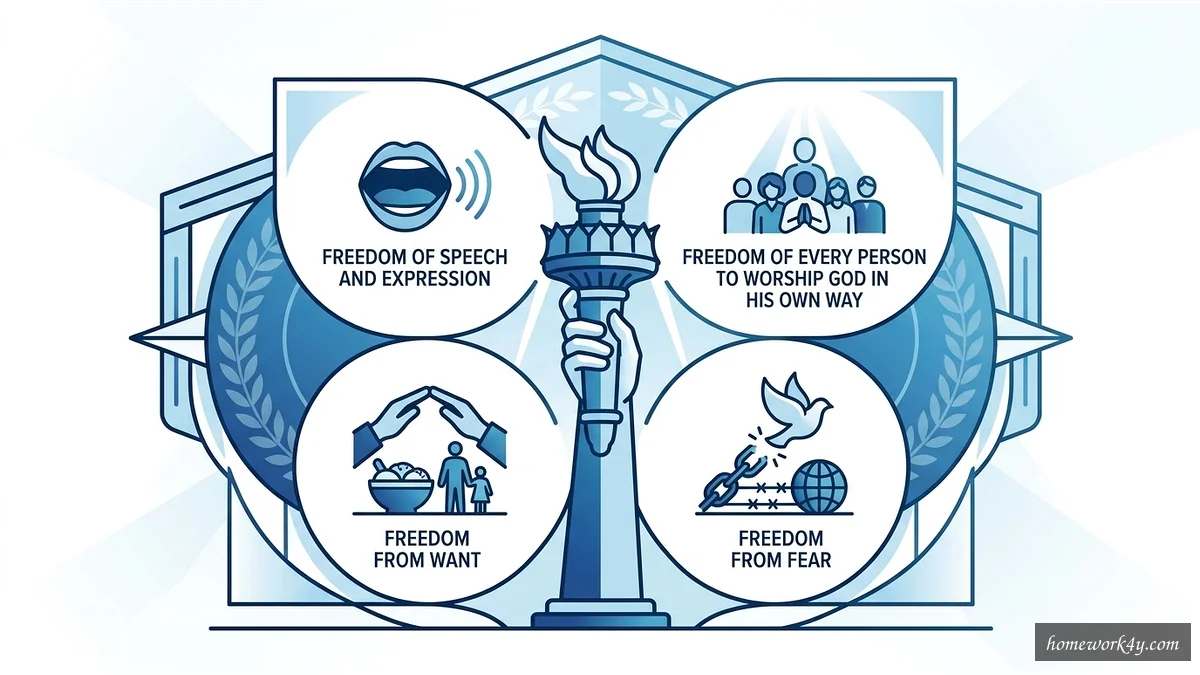
| Concept | Description | Historical Significance |
|---|---|---|
| The Four Freedoms | Freedom of speech, freedom of worship, freedom from want, and freedom from fear | Symbolized American democratic values during World War II |
| Economic Mobilization | Shifts in labor dynamics for women and racial minorities | Laid groundwork for post-war social and economic changes |
| State-Sanctioned Oppression | Internment of Japanese-Americans, discrimination against racial minorities | Highlighted contradictions between American ideals and realities |
| Post-War Global Order | Bretton Woods system, establishment of the United Nations | Influenced by wartime ideals and realities, shaping international relations |
Key Takeaways
- The Four Freedoms represented core American values during World War II.
- The war effort led to significant changes in labor dynamics and social movements.
- State-sanctioned oppression and resistance movements highlighted the complexities of American society.
- The post-war global order was influenced by the ideals and realities of the wartime period.