




🎓 Homework Deadline Looming?
Struggling with assignments, projects, or lab reports on this topic? Connect with our expert academic tutors to get personalized study support tonight.
Get Expert Help Now →Introduction to Caring for the Vulnerable
The concept of caring for the vulnerable is deeply rooted in nursing theory and practice, emphasizing the need for healthcare professionals to understand and address the unique needs of marginalized populations. According to Mary de Chesnay and Mary Ann Anderson, prominent nursing scholars, caring for the vulnerable requires a comprehensive approach that integrates theoretical frameworks, clinical strategies, and advocacy to promote health equity and social justice. The Global Nursing Practice, Social Justice, and Public Health Edition of their book, Caring for the Vulnerable, serves as a definitive resource for advanced practice nurses and healthcare professionals, providing a thorough examination of the intersection of nursing practice, social determinants of health, and ethical care for vulnerable populations.
Understanding Vulnerable Populations
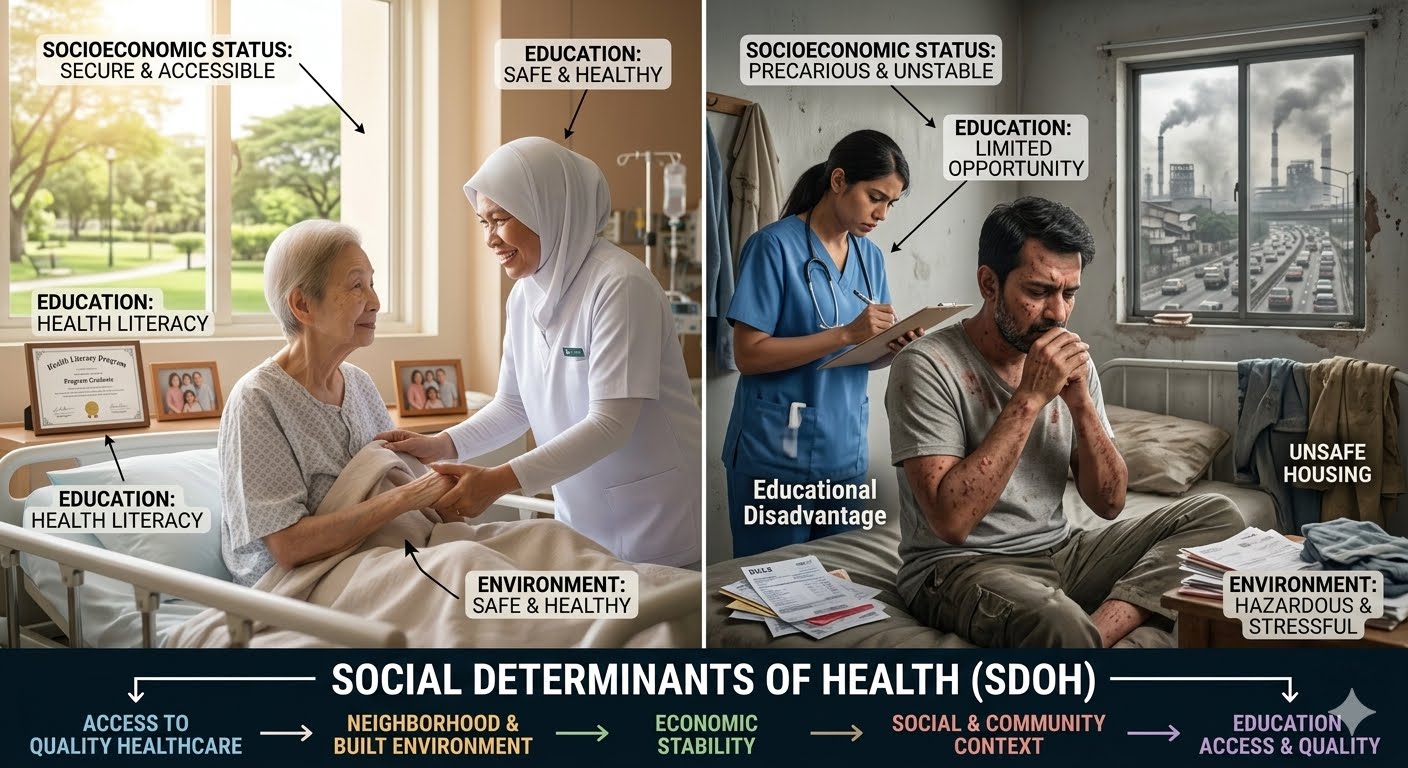
Vulnerable populations, including the homeless, undocumented immigrants, racial minorities, victims of human trafficking, and the elderly, face significant barriers to accessing quality healthcare. These barriers are often compounded by socio-economic instability, implicit institutional biases, and systemic barriers to healthcare, resulting in health disparities and poor health outcomes. For instance, a 24-year-old G1P0 woman at 40 weeks 6 days' gestation may experience frustration and concern about her baby's status due to lack of access to prenatal care or social support. Nurses must be aware of these challenges and develop culturally congruent, empathetic, and evidence-based interventions to address the unique needs of these populations.
Leininger's Cultural Care Theory and Human Rights Principles
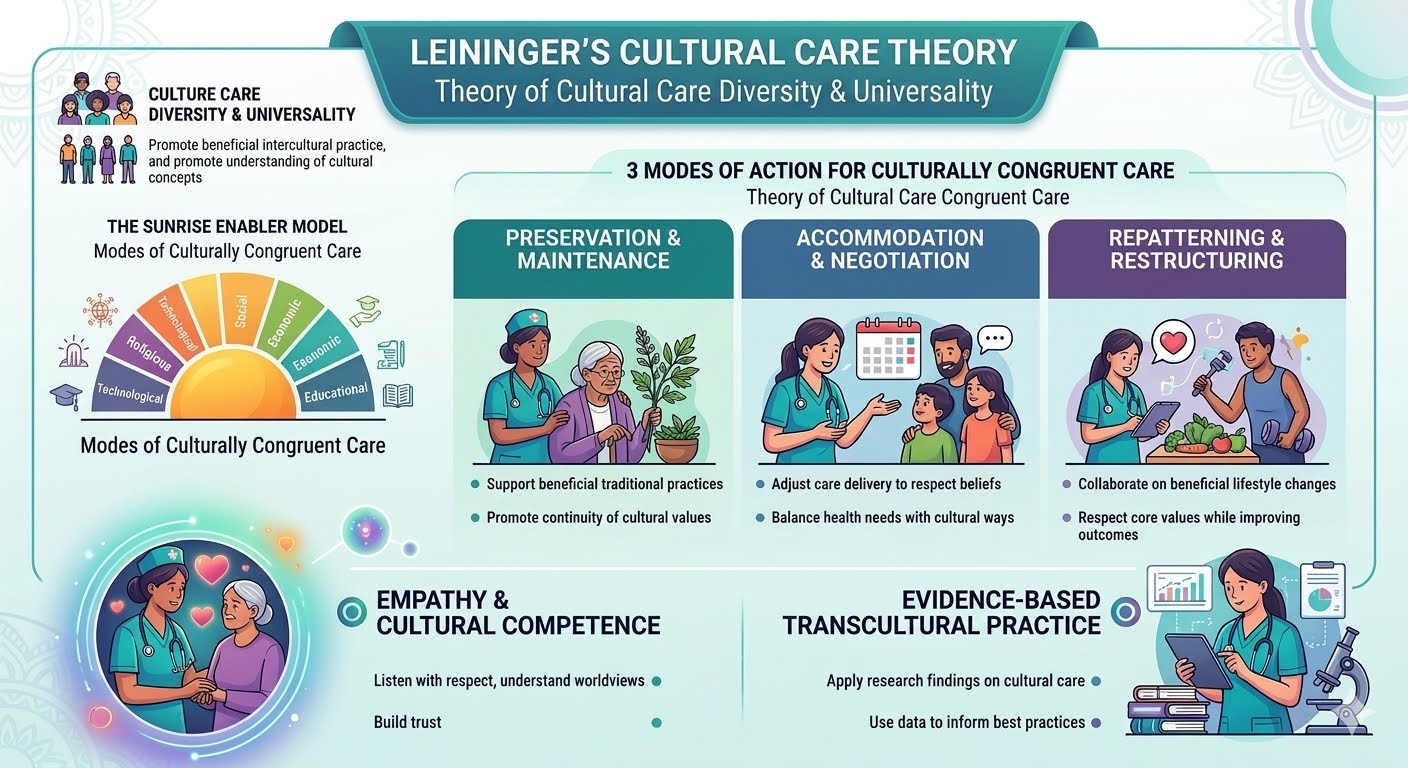
Leininger's Cultural Care Theory provides a framework for understanding the cultural nuances of care and promoting culturally sensitive interventions. This theory emphasizes the importance of considering the cultural values, beliefs, and practices of individuals and communities when providing care. Human rights principles, such as the right to health and dignity, also guide nursing practice and advocacy, ensuring that vulnerable populations receive care that respects their autonomy and promotes their well-being. By integrating these frameworks, nurses can develop effective strategies to address health disparities and promote health equity.
Addressing Health Disparities and Promoting Health Equity
Addressing health disparities and promoting health equity require a multifaceted approach that involves individual, community, and systemic levels of intervention. Nurses must work with diverse student backgrounds and varying clinical experiences to develop competencies in community health, considering the social determinants of health and the impact of systemic barriers on health outcomes. The module addresses BSN competencies in community health, providing detailed student instructions and resources to support progress monitoring and timely intervention. By doing so, nurses can move beyond individual clinical care toward systemic change, resulting in improved health outcomes and reduced health disparities.
Health Policy Reform and Grassroots Advocacy
Health policy reform and grassroots advocacy are critical components of caring for the vulnerable, as they enable nurses to address the systemic barriers to quality healthcare and promote health equity. By working with communities, organizations, and policymakers, nurses can advocate for policies and programs that support the health and well-being of vulnerable populations. This may involve collaborating with interdisciplinary teams, developing community partnerships, and engaging in advocacy efforts to promote health policy reform and social justice.
| Population | Health Disparities | Interventions |
|---|---|---|
| Homeless | Lack of access to healthcare, poor health outcomes | Mobile health clinics, outreach programs, housing support |
| Undocumented Immigrants | Fear of deportation, lack of access to healthcare | Culturally sensitive care, language access services, advocacy for policy reform |
| Racial Minorities | Disparities in healthcare access, poor health outcomes | Culturally congruent care, community-based interventions, advocacy for health equity |
- Progress monitoring throughout implementation allows for timely intervention and support
- Collaboration with interdisciplinary teams and community partners is essential for promoting health equity
- Advocacy for health policy reform and social justice is critical for addressing systemic barriers to healthcare
- Available in PDF format for academic reference, this material provides a comprehensive guide for caring for the vulnerable
- By applying the core principles of caring for the vulnerable, nurses can promote health equity and social justice, resulting in improved health outcomes for marginalized populations