



🎓 Homework Deadline Looming?
Struggling with assignments, projects, or lab reports on this topic? Connect with our expert academic tutors to get personalized study support tonight.
Get Expert Help Now →Introduction to Caring for the Vulnerable
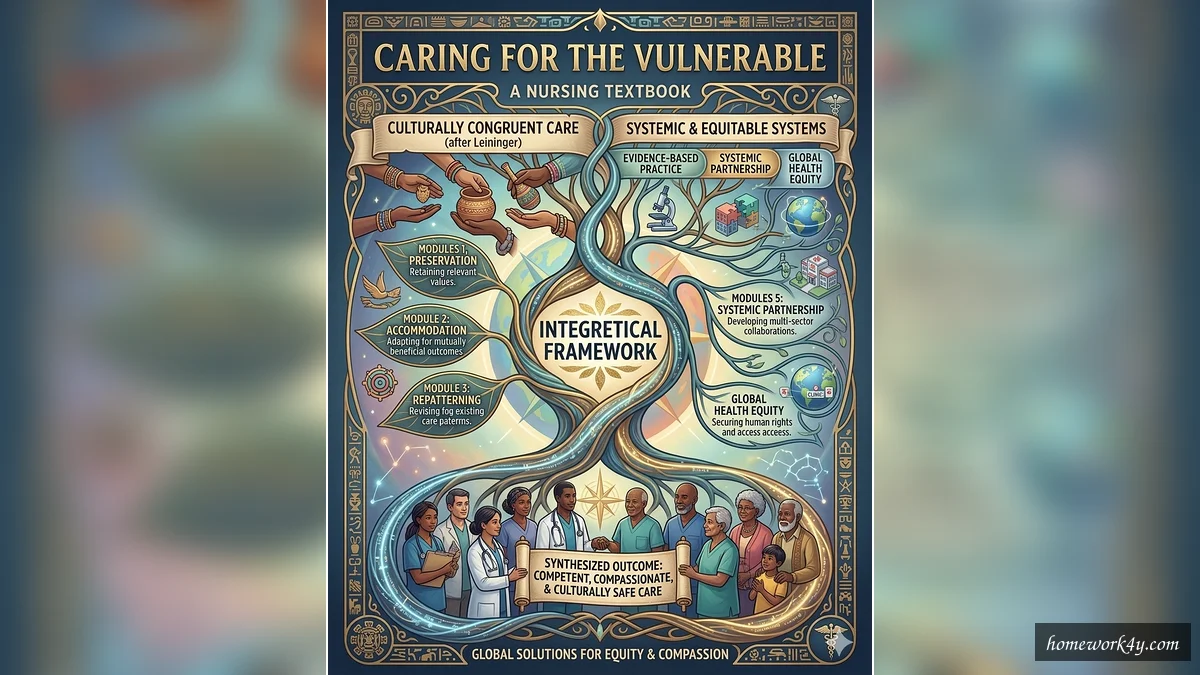
The concept of caring for the vulnerable is central to nursing theory and practice, particularly in the context of advanced nursing practice, social determinants of health, and ethical care frameworks. According to Mary de Chesnay and Mary Ann Anderson, authors of the comprehensive reference manual 'Caring for the Vulnerable: Perspectives in Nursing Theory, Practice, and Health Equity,' this concept involves a rigorous, case-driven investigation into the intersection of nursing practice, social justice, and public health. The underlying pedagogical methodology integrates Madeleine Leininger's Cultural Care Theory with universal human rights principles to optimize culturally congruent, evidence-based health delivery.Key Principles of Caring for the Vulnerable
The key principles of caring for the vulnerable include:- Culturally congruent care: delivering care that is tailored to the unique cultural needs and values of marginalized demographics
- Evidence-based practice: using the best available evidence to inform nursing practice and promote health equity
- Systemic community partnership: working in partnership with communities and healthcare systems to address health disparities and promote health equity
- Global health equity: promoting health equity and social justice on a global scale
Theoretical Frameworks for Caring for the Vulnerable
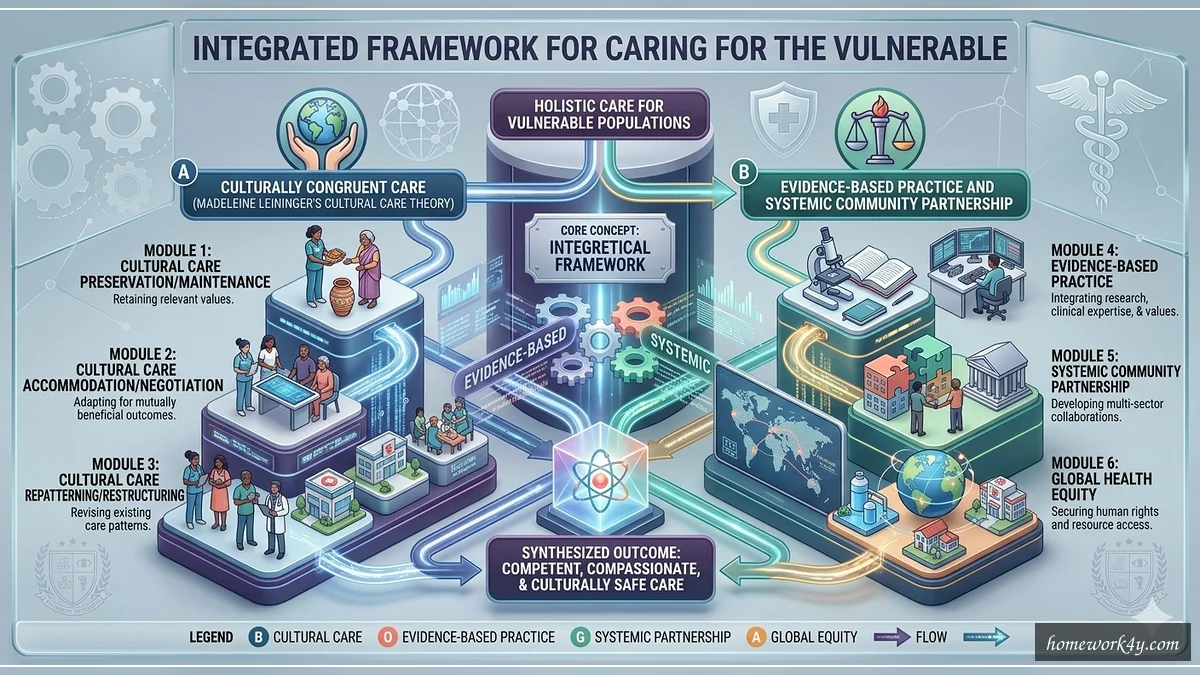
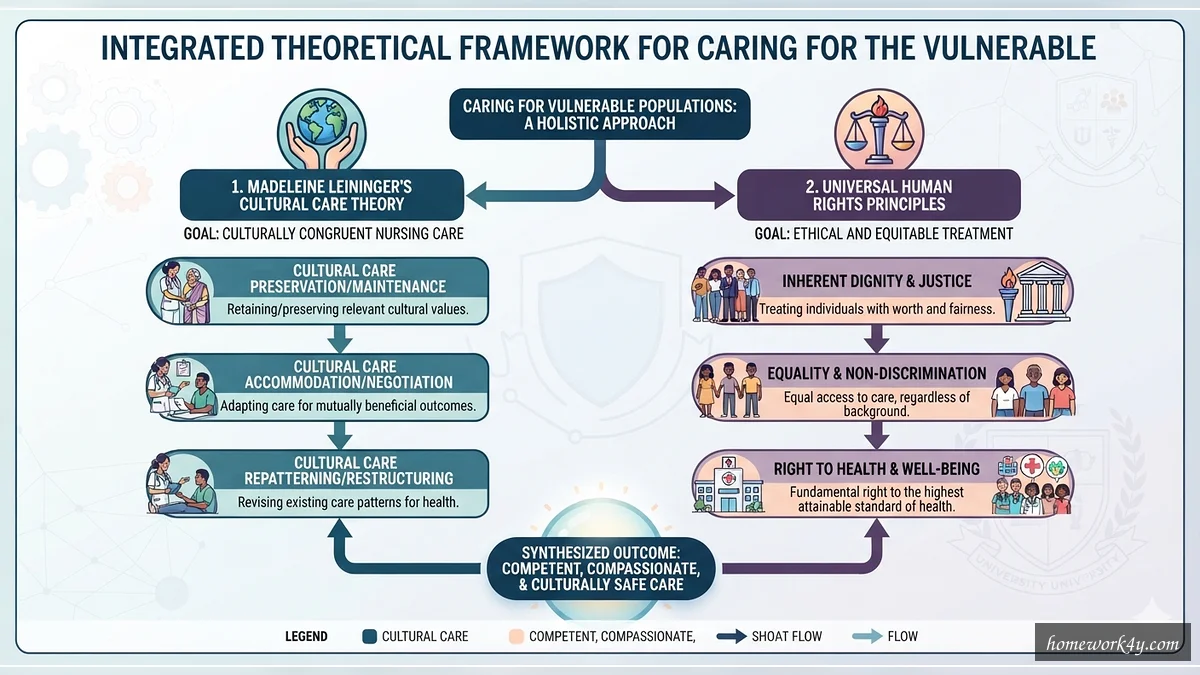
Several theoretical frameworks underpin the concept of caring for the vulnerable, including:Madeleine Leininger's Cultural Care Theory
Madeleine Leininger's Cultural Care Theory provides a framework for understanding the cultural dimensions of care and promoting culturally congruent care. This theory emphasizes the importance of considering the cultural values, beliefs, and practices of marginalized demographics in the delivery of nursing care.Universal Human Rights Principles
Universal human rights principles provide a framework for promoting health equity and social justice. These principles emphasize the right to health, dignity, and well-being, and provide a foundation for advocating for the rights of marginalized demographics.Case Studies in Caring for the Vulnerable
The reference manual 'Caring for the Vulnerable' includes several case studies that illustrate the application of theoretical frameworks and key principles in real-world settings. For example:Case Study: Caring for a Homeless Individual
A case study on caring for a homeless individual might involve:- Conducting a cultural assessment to understand the individual's cultural values and beliefs
- Developing a care plan that addresses the individual's unique needs and promotes health equity
- Working in partnership with community organizations to provide access to healthcare and social services
Implications for Nursing Education and Practice
The concept of caring for the vulnerable has significant implications for nursing education and practice. Nursing educators and practitioners must be prepared to:Integrate Theoretical Frameworks into Practice
Integrate theoretical frameworks, such as Cultural Care Theory and universal human rights principles, into nursing practice to promote culturally congruent care and health equity.Address Health Disparities and Promote Health Equity
Address health disparities and promote health equity by working in partnership with communities and healthcare systems to provide access to healthcare and social services.Conclusion
In conclusion, caring for the vulnerable is a critical concept in nursing theory and practice that involves delivering culturally congruent, evidence-based care to marginalized demographics. By integrating theoretical frameworks and key principles into nursing education and practice, nurses can promote health equity and social justice, and address the complex health needs of vulnerable populations.| Concept | Definition | Application in Nursing Practice |
|---|---|---|
| Culturally Congruent Care | Care that is tailored to the unique cultural needs and values of marginalized demographics | Conducting cultural assessments, developing care plans that address unique needs, and working in partnership with community organizations |
| Evidence-Based Practice | Using the best available evidence to inform nursing practice and promote health equity | Integrating research findings into nursing practice, developing care plans that address unique needs, and evaluating the effectiveness of interventions |
| Systemic Community Partnership | Working in partnership with communities and healthcare systems to address health disparities and promote health equity | Collaborating with community organizations, developing care plans that address unique needs, and advocating for policy changes that promote health equity |