



🎓 Homework Deadline Looming?
Struggling with assignments, projects, or lab reports on this topic? Connect with our expert academic tutors to get personalized study support tonight.
Get Expert Help Now →Introduction to Autoethnography as a Legitimate Research Methodology
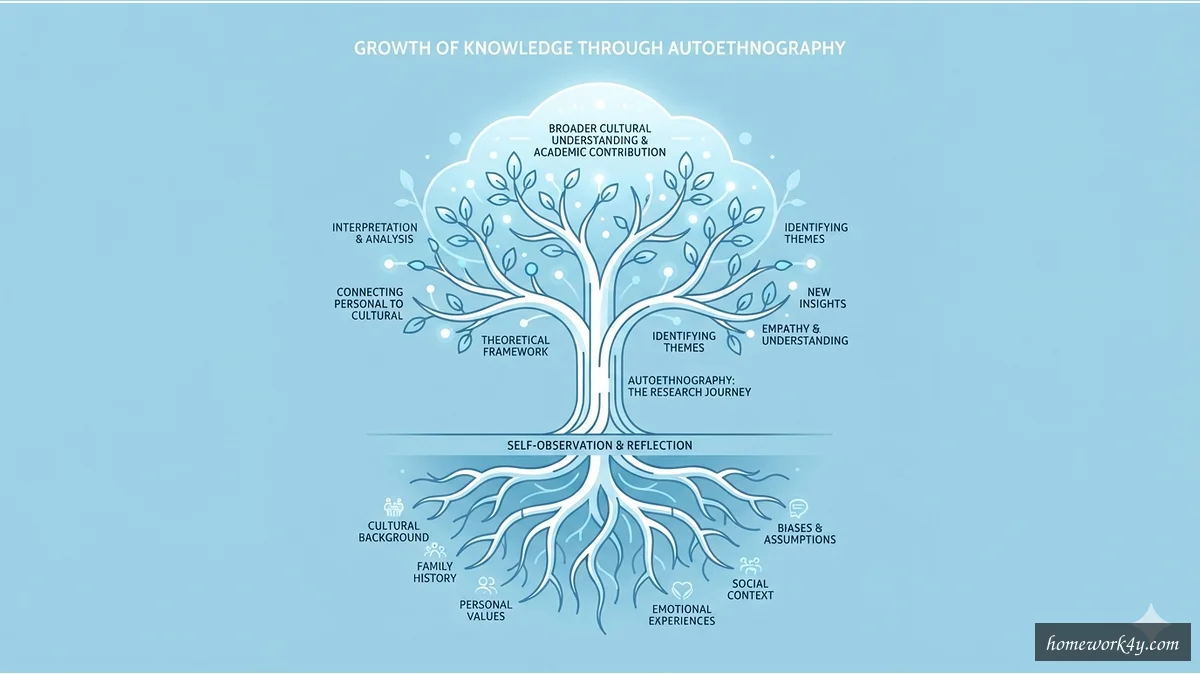
Autoethnography as method, as discussed by Heewon Chang in her seminal monograph, is a qualitative research approach that has gained recognition in various fields, including education, social sciences, and anthropology. This methodology involves the researcher's personal experiences and cultural background as a vital component of the research process. By using autoethnography as method, researchers can collect and analyze data in a unique and subjective way, providing a microscopic lens to examine macro-level sociological structures, cultural norms, and institutional biases.Deconstructing the Core Analytical Axes of Autoethnography as Method
Chang's methodological framework provides a comprehensive guide to transforming personal autobiography and subjective cultural experiences into valid, empirical ethnographic data. The core analytical axes of autoethnography as method involve self-observational data collection, critical management of ethical considerations, and advanced thematic interpretation techniques. These axes are crucial in ensuring the validity and reliability of the research findings. By deconstructing these axes, researchers can gain a deeper understanding of the research process and the role of the researcher's lived experiences in shaping the research outcomes.Evaluating Strategies for Self-Observational Data Collection
Self-observational data collection is a critical component of autoethnography as method. This involves the researcher collecting data through self-reflection, journaling, and other forms of personal documentation. The researcher must be aware of their own biases and assumptions, and take steps to mitigate them. This can be achieved through techniques such as bracketing, which involves setting aside one's own preconceptions and cultural background to gain a more nuanced understanding of the research phenomenon.Critical Management of Ethical Considerations
Autoethnography as method raises several ethical considerations, particularly with regards to the researcher's connected social networks. The researcher must be mindful of the potential impact of their research on their personal relationships and social networks. This can be achieved through informed consent, anonymity, and confidentiality. The researcher must also be aware of the power dynamics at play in their research, and take steps to mitigate any potential harm or exploitation.Advanced Thematic Interpretation Techniques
Advanced thematic interpretation techniques are essential in autoethnography as method. This involves the researcher identifying and analyzing patterns and themes in the data, and interpreting them in the context of the research phenomenon. The researcher must be aware of the cultural and social context in which the data was collected, and take steps to ensure that their interpretations are nuanced and contextualized.Philosophical Underpinnings of Autoethnography as Method
Autoethnography as method challenges the traditional positivistic dichotomy between the objective researcher and the subjective subject. This approach recognizes that the researcher's lived experiences are a vital component of the research process, and that they can provide a unique lens through which to examine sociological structures and cultural norms. By acknowledging the subjective nature of research, autoethnography as method provides a more nuanced and contextualized understanding of the research phenomenon.Educationally and Societally, Autoethnography as Method
Autoethnography as method serves as an indispensable pedagogical resource, sharpening critical self-reflection and equipping future qualitative researchers with the analytical tools needed to generate deep socio-cultural insights. This approach can drive empathy and institutional reform, particularly in fields such as education and social sciences. By providing a unique lens through which to examine sociological structures and cultural norms, autoethnography as method can help to promote social justice and equality.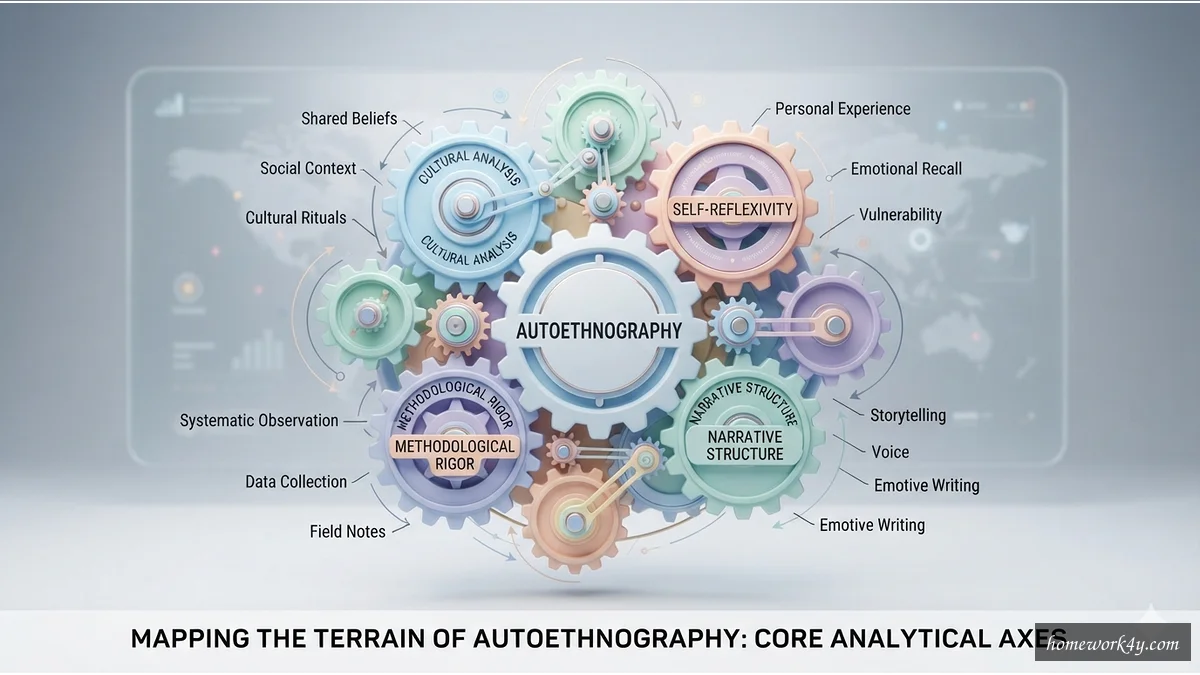
| Concept | Definition | Example |
|---|---|---|
| Autoethnography as method | Using personal experiences and cultural background to collect and analyze data | Using journaling and self-reflection to collect data on personal experiences |
| Self-observational data collection | Collecting data through self-reflection and personal documentation | Using bracketing to set aside one's own preconceptions and cultural background |
| Critical management of ethical considerations | Being mindful of the potential impact of research on personal relationships and social networks | Using informed consent, anonymity, and confidentiality to protect research participants |
| Advanced thematic interpretation techniques | Identifying and analyzing patterns and themes in data | Using contextualized interpretation to analyze data in the context of the research phenomenon |