




🎓 Homework Deadline Looming?
Struggling with assignments, projects, or lab reports on this topic? Connect with our expert academic tutors to get personalized study support tonight.
Get Expert Help Now →Introduction to ATI Concept Maps
The Assessment Technologies Institute (ATI) Nursing Education has developed a highly structured pedagogical framework that serves as an advanced visual tool for nursing students. This framework is designed to help students transition from linear memorization to active multi-dimensional analysis of pathological relationships. The ATI concept map template is a key component of this framework, providing a systematic approach to deconstructing medical concepts across four core clinical axes: comprehensive pathophysiology, priority nursing diagnoses, interconnected risk factors, and prioritized nursing interventions backed by clinical rationales.Methodological Approach of ATI Concept Maps
The methodological approach of ATI concept maps utilizes cognitive mapping and semantic networks to force students to think critically and make connections between different pieces of information. This approach is designed to help students develop a holistic understanding of patient care, prioritizing systemic prioritization, pattern recognition, and clinical safety. By using the ATI concept map template, students can identify clinical deterioration early, minimize systemic medical errors, and ensure optimal evidence-based patient care outcomes.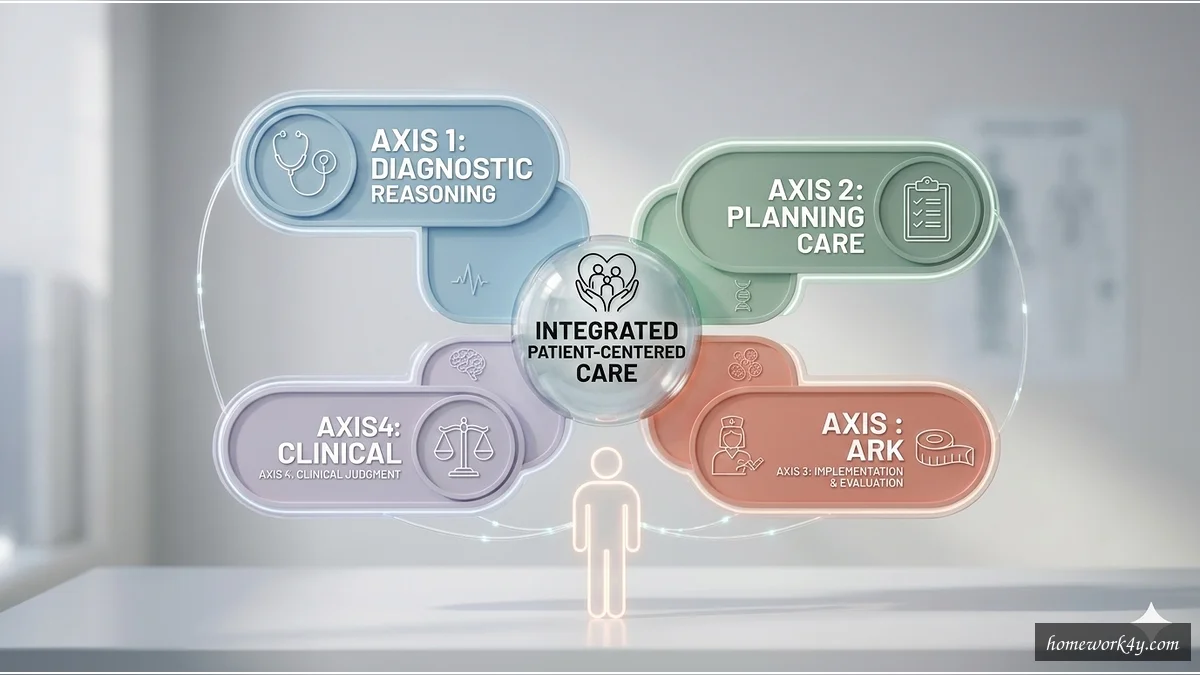
Core Components of the ATI Concept Map Template
The ATI concept map template consists of four core clinical axes:- Comprehensive pathophysiology: This axis provides a detailed understanding of the underlying physiological processes that contribute to a patient's condition.
- Priority nursing diagnoses: This axis identifies the most critical nursing diagnoses that require immediate attention and intervention.
- Interconnected risk factors: This axis highlights the potential risk factors that may contribute to a patient's condition, such as medical history, lifestyle, and environmental factors.
- Prioritized nursing interventions: This axis provides a clear plan of action for nursing interventions, backed by clinical rationales and evidence-based practice.
Philosophical Underpinnings of ATI Concept Maps
The philosophical underpinnings of ATI concept maps prioritize a holistic model of nursing education, shifting away from isolated technical tasks toward a more integrated approach that emphasizes systemic prioritization, pattern recognition, and clinical safety. This approach recognizes that nursing practice is not just about performing tasks, but about making informed decisions that prioritize patient care and safety.Education and Societal Implications of ATI Concept Maps
The use of ATI concept maps has significant implications for nursing education and society as a whole. By training highly competent, practice-ready nurses who can identify clinical deterioration early, minimize systemic medical errors, and ensure optimal evidence-based patient care outcomes, ATI concept maps fulfill a vital healthcare mandate. This approach can lead to improved patient outcomes, reduced healthcare costs, and enhanced quality of care.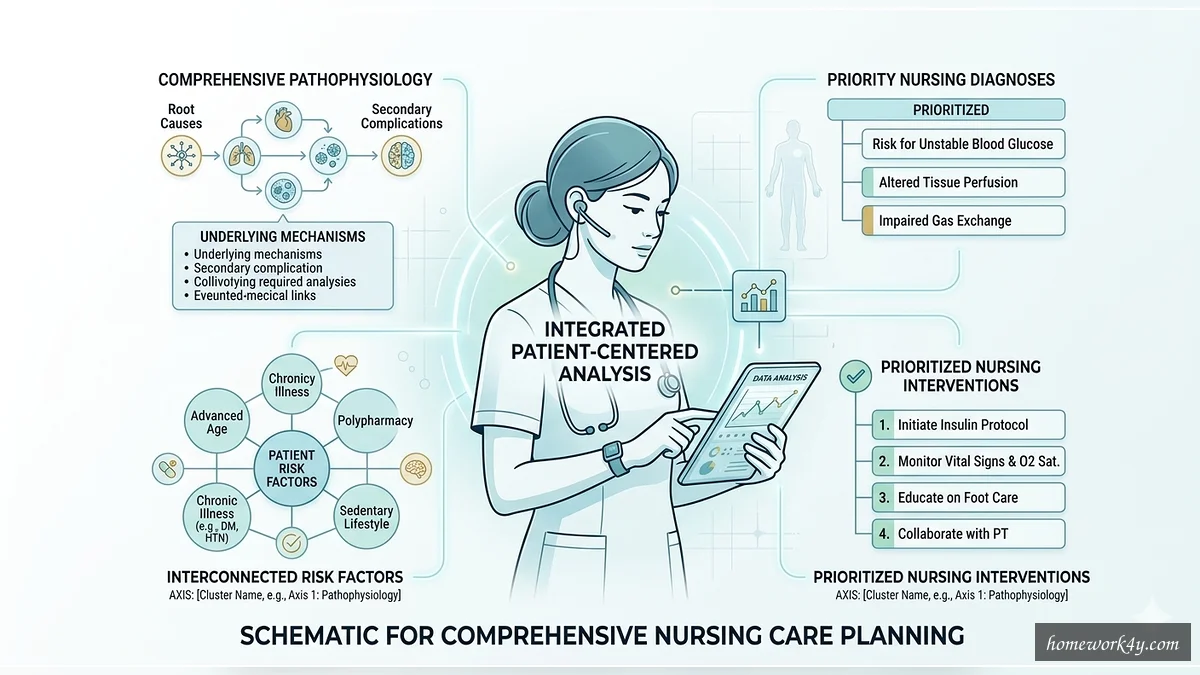
Comparison of ATI Concept Maps with Other Pedagogical Frameworks
The following table compares the ATI concept map template with other pedagogical frameworks:| Framework | Description | Key Components |
|---|---|---|
| ATI Concept Map Template | A visual critical-thinking tool designed to guide nursing students through the synthesis of patient data | Comprehensive pathophysiology, priority nursing diagnoses, interconnected risk factors, prioritized nursing interventions |
| Other Pedagogical Frameworks | Varying approaches to nursing education, such as case-based learning and problem-based learning | May include components such as patient scenarios, nursing diagnoses, and interventions, but lack the systematic approach of the ATI concept map template |